Category: Aqua Aerobics

  • Is Aqua Aerobics Only for Old Ladies? Debunking the Stereotype

    Have you ever heard of aqua aerobics? Perhaps you have, and maybe your first thought was that it’s only for old ladies. However, this is a common misconception. Aqua aerobics is a low-impact exercise that can be enjoyed by people of all ages and fitness levels.

    In fact, aqua aerobics is becoming increasingly popular among younger generations as a fun and effective way to stay active. It offers a variety of benefits, including improved cardiovascular health, increased muscle strength and endurance, and reduced stress on joints. Plus, the water resistance provides a unique challenge that can help you burn more calories than traditional land-based exercises. So, if you’re looking for a new workout routine that’s easy on your body and enjoyable, aqua aerobics might be worth a try.

    What Is Aqua Aerobics

    Aqua aerobics, also known as water aerobics, is a low-impact exercise routine that takes place in a swimming pool. It’s a form of aerobic exercise that is done in chest-deep or waist-deep water and is suitable for people of all ages and fitness levels. Aqua aerobics is a great way to stay fit and healthy, burn calories, and improve your overall well-being.

    The exercises involved in aqua aerobics are similar to those in traditional aerobics, but they are performed in water. This means that the water provides resistance to your movements, making your workout more challenging and effective. Aqua aerobics can be done with or without equipment, such as water weights, noodles, or kickboards.

    Some of the benefits of aqua aerobics include:

    • Low-impact: Aqua aerobics is easy on your joints, making it a great option for people with arthritis or other joint problems.
    • Cardiovascular fitness: Aqua aerobics can help improve your cardiovascular fitness, which can reduce your risk of heart disease and stroke.
    • Muscle strength: The resistance provided by the water can help improve your muscle strength and tone.
    • Weight loss: Aqua aerobics can burn a significant number of calories, making it an effective way to lose weight.

    Overall, aqua aerobics is a fun and effective way to stay fit and healthy. It’s a great option for people of all ages and fitness levels, and it’s a low-impact exercise that is easy on your joints.

    Common Misconceptions About Aqua Aerobics

    Age Bias in Aqua Aerobics

    A common misconception about aqua aerobics is that it is only for old ladies. While it is true that many older adults participate in aqua aerobics, it is not the only demographic that can benefit from this type of exercise.

    In fact, aqua aerobics can be a great workout for people of all ages and fitness levels. The buoyancy of the water makes it a low-impact exercise that is easy on the joints, making it a great option for people with arthritis or other joint issues. Additionally, the resistance provided by the water can help build strength and endurance.

    Another misconception is that aqua aerobics is not a challenging workout. While it may not be as intense as other forms of exercise, such as running or weightlifting, it can still provide a great cardiovascular workout. Many aqua aerobics classes incorporate high-intensity interval training (HIIT) and other challenging exercises to keep participants engaged and motivated.

    Finally, some people believe that aqua aerobics is not a good workout for weight loss. While it may not burn as many calories as other forms of exercise, such as running or cycling, it can still be an effective way to lose weight. The resistance provided by the water can help build muscle, which can in turn increase your metabolism and help you burn more calories throughout the day.

    In conclusion, aqua aerobics is a great form of exercise that can benefit people of all ages and fitness levels. Don’t let the misconceptions about this type of workout discourage you from giving it a try.

    Benefits of Aqua Aerobics for All Ages

    Physical Benefits

    Aqua aerobics is a low-impact exercise that can be beneficial for people of all ages. Here are some of the physical benefits of aqua aerobics:

    • Low impact: Aqua aerobics is gentle on your joints, making it a great option for people with arthritis or other joint conditions.
    • Cardiovascular health: Aqua aerobics can improve your cardiovascular health by increasing your heart rate and improving circulation.
    • Muscle strength: Aqua aerobics can help build muscle strength, particularly in the arms, legs, and core.
    • Balance and coordination: Aqua aerobics can improve your balance and coordination, as you are working against the resistance of the water.

    Psychological Benefits

    In addition to the physical benefits, aqua aerobics can also have psychological benefits, such as:

    • Stress relief: Aqua aerobics can be a great way to relieve stress, as the water has a calming effect on the body.
    • Improved mood: Exercise in general can improve your mood, and aqua aerobics is no exception.
    • Socialization: Aqua aerobics classes can be a great way to meet new people and socialize with others who have similar interests.

    Overall, aqua aerobics is a great exercise option for people of all ages who want to improve their physical and psychological health in a low-impact way.

    Real Life Examples of Non-Elderly Participants

    Aqua aerobics is not just for old ladies. In fact, people of all ages and fitness levels can benefit from this low-impact exercise. Here are some real-life examples of non-elderly participants who have taken up aqua aerobics:

    • Pregnant women: Aqua aerobics is an excellent form of exercise for pregnant women. The water provides buoyancy, which reduces the impact on joints and muscles. It also helps to improve circulation and reduce swelling.
    • Athletes: Many professional athletes use aqua aerobics as a form of cross-training. It provides a full-body workout without the impact of land-based exercises. It can also help to improve flexibility and range of motion.
    • Injured individuals: Aqua aerobics is an excellent form of exercise for people recovering from injuries. The water provides support and reduces the impact on joints and muscles. It can also help to improve strength and flexibility.
    • People with arthritis: Aqua aerobics is a great exercise option for people with arthritis. The water provides resistance without the impact of land-based exercises. It can also help to improve joint mobility and reduce pain.
    • People with disabilities: Aqua aerobics is an inclusive form of exercise that can be adapted to meet the needs of people with disabilities. The water provides support and can help to improve strength, flexibility, and range of motion.

    In conclusion, aqua aerobics is not just for old ladies. People of all ages and fitness levels can benefit from this low-impact exercise. Whether you are pregnant, an athlete, recovering from an injury, have arthritis, or a disability, aqua aerobics can provide a full-body workout that is gentle on the joints and muscles.

    How to Start Aqua Aerobics Regardless of Age

    Aqua aerobics is a great way to stay active and improve your overall health. It’s not just for old ladies, anyone can benefit from this low-impact exercise. Here are some tips on how to get started with aqua aerobics, regardless of your age.

    Choose the Right Pool

    The first step in starting aqua aerobics is finding the right pool. Look for a pool that is shallow enough for you to stand in, but deep enough to allow for movement. If you’re a beginner, choose a pool that has a gradual slope, so you can start with shallow water and gradually move into deeper water as you become more comfortable.

    Get the Right Gear

    To get started with aqua aerobics, you’ll need the right gear. A bathing suit that is comfortable and allows for movement is essential. You may also want to invest in water shoes to help with traction and prevent slipping. Don’t forget a towel and a water bottle to stay hydrated.

    Start Slowly

    If you’re new to aqua aerobics, it’s important to start slowly. Begin with simple exercises like walking or jogging in place, and then gradually add more challenging moves as you become more comfortable in the water. Remember to listen to your body and take breaks when you need to.

    Join a Class

    Joining an aqua aerobics class is a great way to meet new people and stay motivated. Look for a class that is geared toward your fitness level and interests. A qualified instructor can help you learn proper form and technique, and provide modifications if needed.

    Have Fun

    Most importantly, have fun! Aqua aerobics is a great way to stay active and improve your overall health, while enjoying the benefits of being in the water. Don’t be afraid to try new moves and challenge yourself, but always listen to your body and take breaks when needed.

    By following these tips, you can start aqua aerobics regardless of your age and enjoy the many benefits of this low-impact exercise.

    Conclusion

    In conclusion, aqua aerobics is not just for old ladies. It is a low-impact exercise that can benefit people of all ages and fitness levels. While it is true that many older adults enjoy the social aspect of aqua aerobics classes, younger adults can also benefit from the workout.

    Aqua aerobics can be a great way to improve cardiovascular health, build muscle strength, and increase flexibility. It can also be a good option for people with joint pain or other physical limitations that make high-impact exercises difficult.

    If you are looking for a fun and effective way to get in shape, consider giving aqua aerobics a try. With a variety of classes and styles available, you are sure to find a workout that suits your needs and interests. So don’t let stereotypes hold you back – dive in and discover the many benefits of aqua aerobics today!
  • Best Women’s Swimsuits for Aqua Aerobics: Top Picks 2023

    Aqua aerobics is a popular form of low-impact exercise, combining the benefits of swimming with a fun and engaging workout. Women who enjoy this water-based activity know the importance of wearing the right swimsuit, one that offers comfort, support, and durability. In this article, we will be discussing the best women’s swimsuits for aqua aerobics, taking into account factors that make them the ideal choice for those looking to make the most of their exercise routine.

    Swimsuits for aqua aerobics differ from regular swimwear in several ways. Firstly, they must provide excellent mobility, allowing you to perform various exercises with ease. Additionally, these swimsuits should have adequate support for the bust area, ensuring that you can jump, twist, and move without any discomfort. Last but not least, a good aqua aerobics swimsuit should be made from high-quality materials that dry quickly, resist chlorine and salt water, and maintain their shape after numerous uses.

    When choosing the perfect swimsuit for aqua aerobics, there are several factors to consider. The material should be stretchy, quick-drying, and resistant to chlorine, which is particularly crucial if you regularly exercise in swimming pools. Selecting the right fit is also essential, considering your body type and personal preferences. Some women may prefer a one-piece swimsuit for optimum coverage, while others may feel more comfortable in a two-piece or tankini design.

    With these factors in mind, we have analyzed a range of swimsuits specifically designed for aqua aerobics. Our comprehensive guide will help you find the ideal option that meets your needs, giving you the confidence to dive into your next workout.

    Best Women’s Swimsuits for Aqua Aerobics

    We’ve researched and compiled a list of the best women’s swimsuits that are perfect for aqua aerobics. Discover our top choices below and boost your water workout experience.

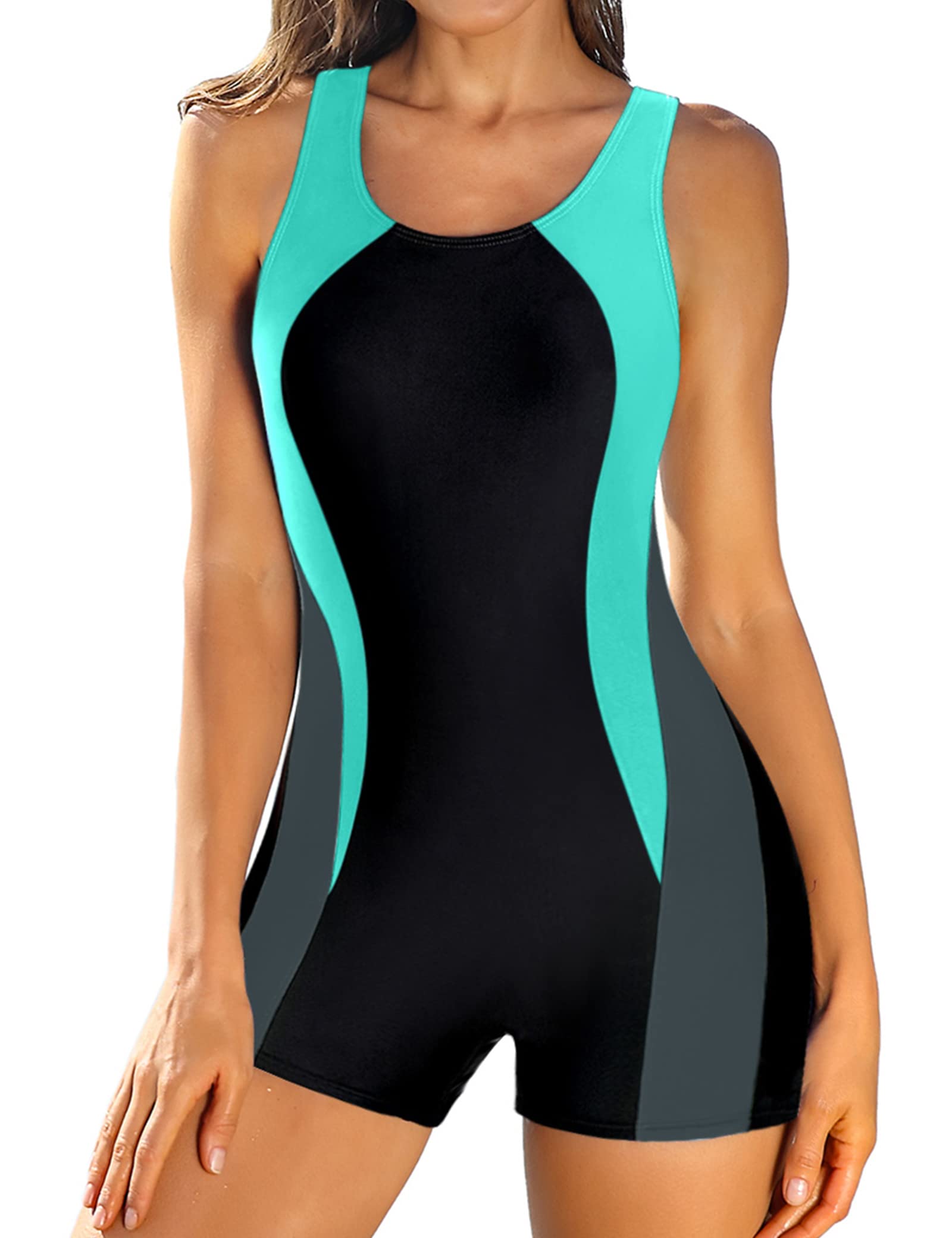
    Halcurt Women Sport Bathing Suit

    Halcurt Women Sport Bathing Suit

    The Halcurt Women Sport Bathing Suit is an excellent choice for aqua aerobics enthusiasts seeking comfort, support, and style.

    Pros

    • Comfortable and quick-drying fabric
    • Removable soft bra padding for customizable support
    • Stylish color block design

    Cons

    • Some users experienced uneven bra padding
    • Leg opening might be too loose for some
    • May need to modify sizing recommendations for an optimal fit

    When it comes to aqua aerobics, we know that a good swimsuit is essential for a comfortable and enjoyable workout. The Halcurt Women Sport Bathing Suit boasts a blend of 82% nylon and 18% spandex, which provides an ultra-light and quick-drying experience. This fabric has excellent chlorine resistance, ensuring that the swimsuit will maintain its shape and color, even after frequent use.

    One of the standout features of this bathing suit is the removable soft bra padding with an elastic chest band. This offers adequate support during swimming or water aerobics while allowing for customization based on personal preferences. The racerback design with thick straps also contributes to freedom of motion and overall support, ensuring you can focus on your workout without distractions.

    Aesthetically, the Halcurt Women Sport Bathing Suit does not disappoint. The color block design and complementing splice offer an eye-catching look, whether you’re lap-training or partaking in outdoor swimming. However, users should be mindful of potential sizing issues, as some have reported uneven bra padding and loose leg openings. Taking this into consideration and possibly opting for a different size as needed may result in a better fit.

    In conclusion, the Halcurt Women Sport Bathing Suit is a solid choice for those seeking comfort and style in their aqua aerobics swimsuit. With quick-drying fabric, customizable support, and an eye-catching design, it’s a great investment for water workout enthusiasts. Just be sure to pay close attention to sizing recommendations and customer reviews to ensure the perfect fit.

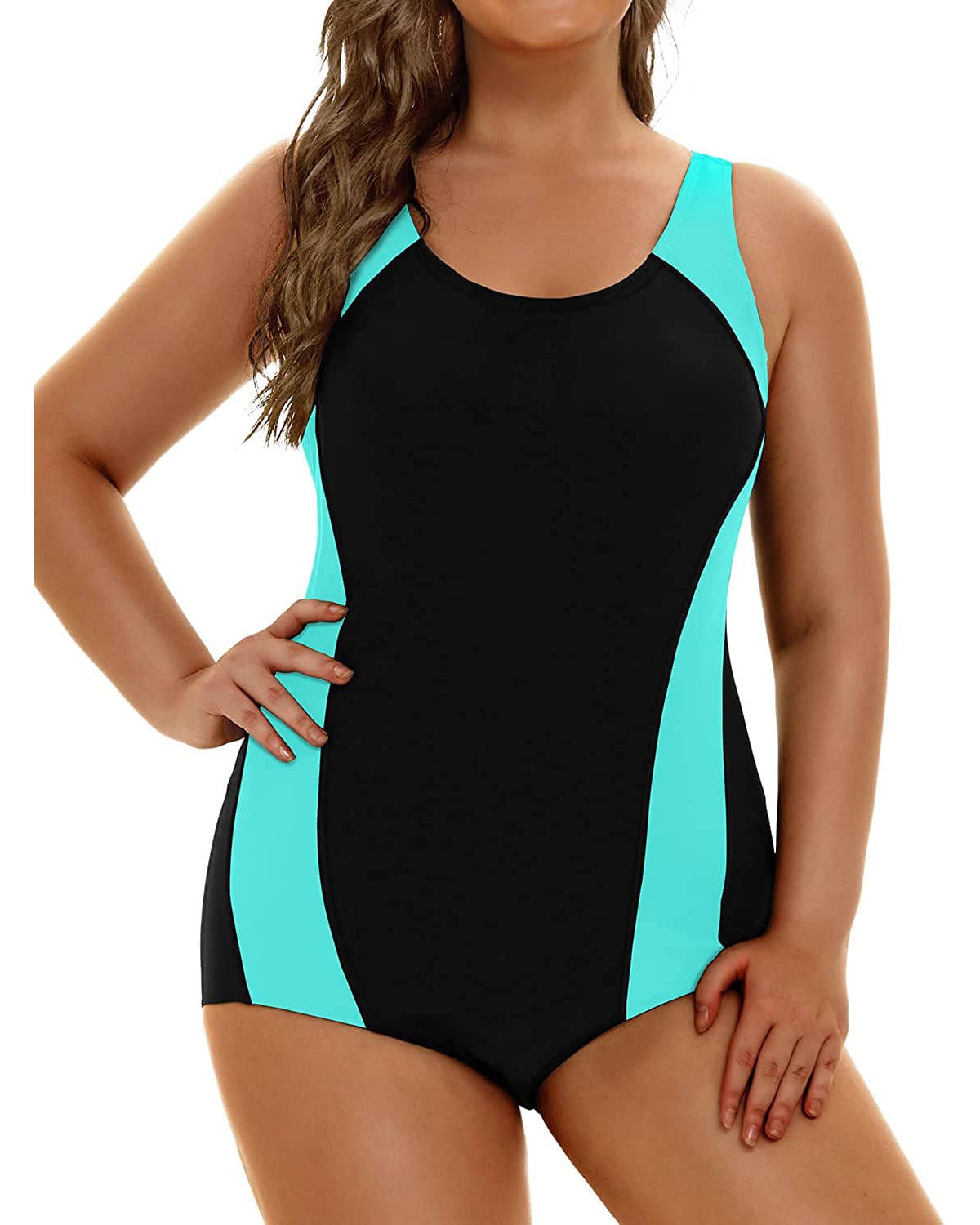
    Aqua Eve Plus Size Swimsuits Athletic One Piece

    Aqua Eve Plus Size Swimsuits

    A great option for plus-size women seeking a comfortable and stylish swimsuit for aqua aerobics.

    Pros

    • Slimming color block design
    • Built-in bra and supportive racerback
    • Quick-drying and durable material

    Cons

    • Lower cleavage cut than expected
    • Limited tummy control
    • May not suit tall or long-torso women

    We recently tried the Aqua Eve Plus Size Swimsuits Athletic One Piece for ourselves during our aqua aerobics sessions. The full-coverage design, combined with vivid colors and splicing wide shoulder straps, creates a slimming effect that makes us feel confident in the pool.

    The swimsuit features a U-neckline, which delivers moderate coverage; however, it may sit lower on the chest than some users would prefer. We appreciate the built-in bra, criss-cross racerback, and modest leg cut, which allows for a wider range of movement during water activities.

    The swimsuit is made from 82% Nyolon and 18% Spandex, ensuring quick-drying, stretchy, and durable properties. The material also provides a snug fit, perfect for water sports, training, and aqua aerobics.

    While we enjoyed wearing this Aqua Eve swimsuit, there are a few things to consider. If you have a taller or longer torso, this suit might not provide the ideal fit for you. Additionally, though there is some tummy support, the control level could be improved.

    Overall, the Aqua Eve Plus Size Swimsuit Athletic One Piece is an excellent choice for plus-size women looking for a comfortable, stylish, and functional bathing suit suitable for aqua aerobics and other water activities.

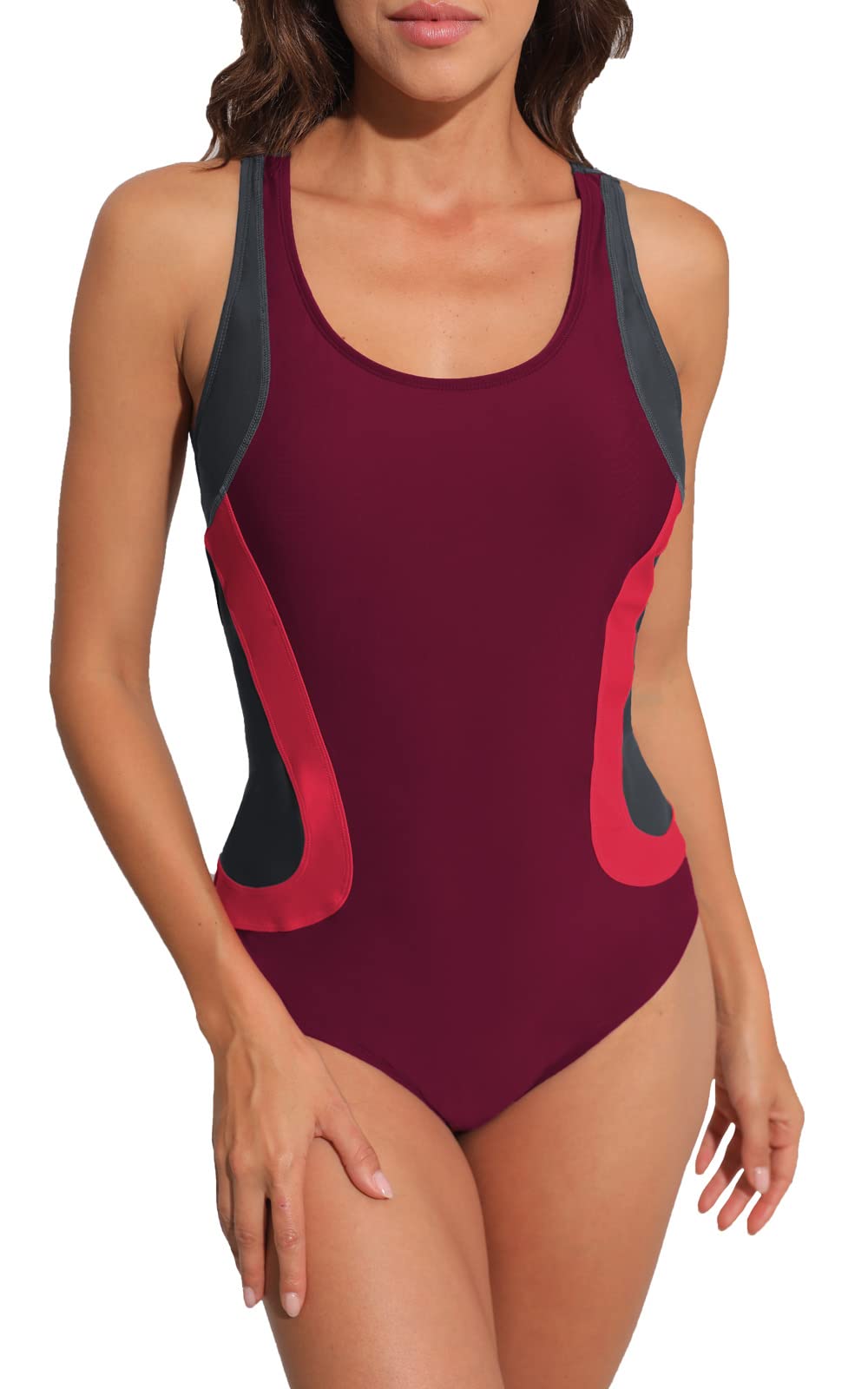
    beautyin Women’s Boyleg One Piece Swimsuit

    beautyin Women's Boyleg One Piece Swimsuit

    The beautyin Women’s Boyleg One Piece Swimsuit is a fantastic choice for aqua aerobics enthusiasts who value comfort and performance.

    Pros

    • Excellent coverage and support
    • Racerback design for unrestricted movement
    • Chlorine proof and colorfast material

    Cons

    • Sizing may be tricky for some
    • Not ideal for those with wider hips
    • Padding might shift after a few uses

    We recently tried the beautyin Women’s Boyleg One Piece Swimsuit during our aqua aerobics class and were impressed by its comfort and functionality. The solid construction of this swimsuit, made with 82% nylon and 18% spandex, provides a comfortable and secure fit for various body types. The boyleg cut ensures good coverage, making it suitable for not only aqua aerobics but also other water sports activities.

    The racerback design with wide straps allows for unrestricted arm movement during exercises, ensuring that you can focus on your workout without worrying about your swimsuit getting in the way. In addition, the stay-put bra with an inserted elastic band offers excellent support and shape, making it comfortable to wear for extended periods.

    Another great feature of this swimsuit is its ability to withstand chlorine and maintain its color after continuous use in a chlorinated pool, ensuring the longevity of the product. The splicing with contrast detailing at the sides adds a slimming and stylish touch to the swimming suit.

    However, we noticed that the sizing could be a bit tricky for some individuals. It is crucial to carefully consult the size chart and user reviews to find the perfect fit. Additionally, if you have wider hips, the boyleg cut might not be the most flattering option. We also found that the padding might shift after a few uses, requiring some adjustment.

    Overall, the beautyin Women’s Boyleg One Piece Swimsuit is a reliable and stylish option for those taking part in aqua aerobics classes. Its comfort, support, and durability make it well worth considering for your next swimwear purchase.

    Aqua Eve Women Plus Size One Piece Swimsuit

    Aqua Eve Swimsuit

    Enhance your aqua aerobics experience with this stylish and supportive swimsuit from Aqua Eve.

    Pros

    • Flattering V-neck design
    • Adjustable straps and removable padded bras
    • Effective tummy control

    Cons

    • May experience material peeling
    • Strange odor upon arrival
    • Awkward lining in the chest area

    We recently tried the Aqua Eve Women Plus Size One Piece Swimsuit during our aqua aerobics class, and we loved how its V-neck design accentuated our neck curves while adding a touch of fashion. The adjustable straps and removable padded push-up bras provided excellent chest support and ensured our comfort throughout the session.

    The ruched design on the swimsuit’s stomach area offers effective tummy control, helping to conceal any imperfections and boost confidence. Made from 85% Polyester and 15% Spandex, the swimsuit’s fabric is soft, stretchy, and comfortable. Its full coverage design makes it suitable for various occasions, such as swimming pool visits, beach parties, summer vacations, or even honeymoons.

    However, we did notice some downsides. After a few uses, the swimsuit material started peeling slightly. Additionally, there was a strange odor when we first received the swimsuit. A thorough wash and air drying seemed to improve the smell significantly. Lastly, the lining in the chest area felt stiff and a bit awkward.

    Despite these drawbacks, we still believe that the Aqua Eve Women Plus Size One Piece Swimsuit is a great option for those seeking a stylish, supportive, and comfortable swimsuit for aqua aerobics. Its numerous size options and flattering design make it a worthwhile investment.

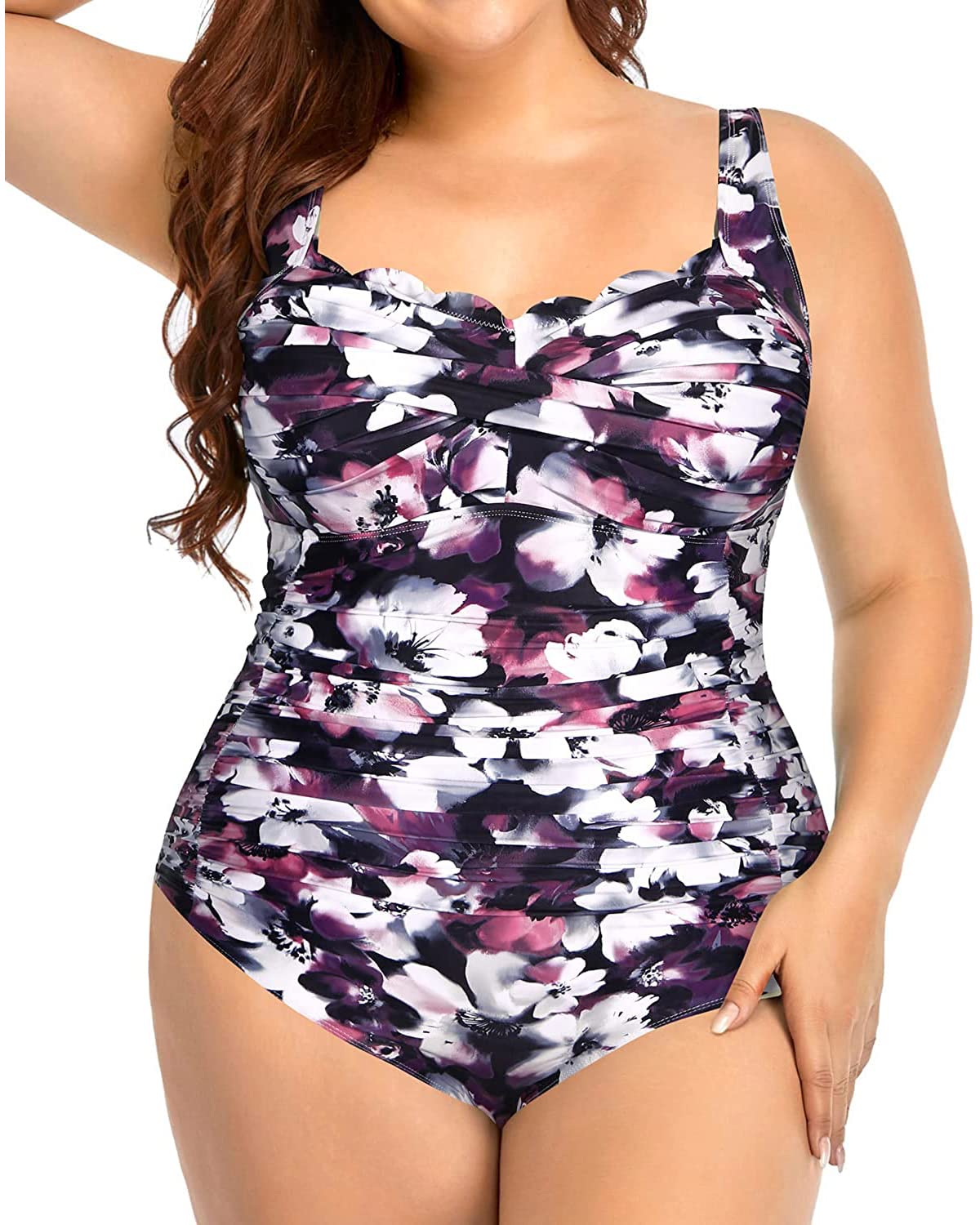
    Aqua Eve Women Plus Size Swimsuits

    Aqua Eve Women Plus Size Swimsuit

    We recommend the Aqua Eve Women Plus Size Swimsuit for its comfortable fit, tummy control, and stylish design.

    Pros

    • Adjustable shoulder straps and hook closure for support and comfort
    • Excellent tummy control with ruching in the stomach area
    • Retro look with twist front and scalloped collar

    Cons

    • Might not fit all body shapes perfectly
    • Only available in plus sizes
    • Limited color and pattern options

    We recently tried out the Aqua Eve Women Plus Size Swimsuit during our aqua aerobics sessions, and we were pleasantly surprised by its comfort and support. The adjustable shoulder straps and hook closure at the back provided maximum support, making our workout more enjoyable.

    The ruching in the stomach area of the swimsuit offered excellent tummy control, making us feel confident and slim. The retro style with a twist front and scalloped collar was flattering, showcasing our neck curves beautifully.

    However, we did notice that the swimsuit might not be an ideal fit for all body shapes. Also, it caters exclusively to plus sizes, so women looking for smaller sizes may need to look elsewhere. Additionally, the color and pattern options for this swimsuit are somewhat limited.

    Overall, the Aqua Eve Women Plus Size Swimsuit is an excellent option for women seeking a comfortable, supportive, and stylish swimsuit for aqua aerobics. If you are in the market for a new swimsuit that ticks all these boxes, we highly recommend giving this one a try.

    Buying Guide

    When looking for the best swimsuits for aqua aerobics, there are several factors to consider. In this buying guide, we will share some tips on how to choose the perfect swimsuit for your needs.

    First, consider the material of the swimsuit. Swimsuits for aqua aerobics should be made of high-quality, chlorine-resistant fabric such as polyester or polyester blends. These materials are more durable and will maintain their shape and color longer than other fabrics.

    Next, think about the style and fit of the swimsuit. You want a suit that provides enough support and coverage for the activity. Look for swimsuits with wide straps, racerback designs, or built-in bras for added support and security. Additionally, a well-fitting swimsuit should be snug and comfortable, allowing for a full range of motion during your workout.

    Another important feature to consider is the leg cut of the swimsuit. Higher-cut leg openings provide more freedom of movement and can be preferred for aqua aerobics classes. However, some women may prefer a more conservative leg cut for additional coverage.

    Here are some features to look for when choosing a swimsuit for aqua aerobics:

    • Material: Polyester, polyester blends, or other chlorine-resistant fabrics
    • Style: Wide straps, racerback design, or built-in bras for support
    • Fit: Snug and comfortable, enables a full range of motion
    • Leg cut: Higher-cut for freedom of movement or more conservative for comfort

    Remember that the most important factor when choosing an aqua aerobics swimsuit is comfort. If you feel confident and comfortable in your swimsuit, you will be more likely to enjoy your workout and stay committed to your fitness routine. Take the time to try out different styles and find the perfect swimsuit for you and your needs.

    Frequently Asked Questions

    What are the top chlorine-resistant swimsuits for water aerobics?

    Chlorine-resistant swimsuits are essential for aqua aerobics as they maintain their shape, color, and quality over time. Some great options include swimwear made of polyester or PBT (polybutylene terephthalate) fabric, such as those from TYR, Speedo, and Dolphin. These materials are specifically designed to withstand the harsh effects of chlorine, making them an excellent choice for water workouts.

    Which swimsuit styles offer the best support during aqua aerobics?

    When participating in aqua aerobics, proper support is crucial to ensure comfort and ease of movement. Swimsuits with built-in bras, racerback designs, or adjustable straps provide ideal support while still allowing for a full range of motion. Some popular styles include one-piece swimsuits, tankinis, and swim dresses with these supportive features.

    What are some popular plus-size workout swimsuits for water exercise?

    For plus-sized individuals looking for quality and comfortable workout swimsuits, there are several options available. Brands like Speedo, Aquabelle, and Swimsuitsforall offer stylish and supportive swimwear specifically tailored for plus-sized individuals. Styles such as tankinis, swim dresses, and one-piece swimsuits with adjustable straps, built-in bras, and tummy control panels are popular options.

    How do I choose the right size for my aqua aerobics swimsuit?

    To find the perfect size swimsuit for aqua aerobics, it’s essential to consult the size chart provided by the specific brand. In general, it’s crucial to prioritize measurements such as bust, waist, and hips while considering features like adjustable straps or side shirring for a better fit. Additionally, keep in mind that swimsuits often tighten up when wet, so it’s important to find a suit that is comfortable while still being snug.

    What materials should I look for in a swimwear suitable for water exercise?

    When shopping for swimwear for water workouts, prioritizing durable and chlorine-resistant materials is essential. These materials include polyester, PBT, and blends of the two. Such fabrics hold their shape, resist fading, and allow for greater elasticity and durability, making them an excellent choice for water exercise.

    Are there any specific brands known for their aquatic swimwear?

    Yes, several brands are renowned for offering quality swimwear tailored for aqua aerobics and water workouts. Some of the well-known brands in the aquatic swimwear market include Speedo, TYR, Dolphin, Aquabelle, and Swimsuitsforall. These brands offer a wide range of styles, sizes, and support levels, ensuring that you will find the perfect swimsuit to best suit your needs during your water exercises.

  • Shallow Water vs. Deep Water Aqua Aerobics: a Comparison

    Aqua aerobics has gained popularity in recent years, offering low-impact workouts suitable for a wide range of fitness levels and ages. As you explore this engaging and refreshing form of exercise, you may wonder about the differences between shallow water and deep water aqua aerobics. Understanding these variations will help you choose the right class and get the most out of your underwater workout.

    In shallow water aqua aerobics, you’ll typically find yourself in waist- to chest-deep water, allowing you to have your feet on the pool floor. This type of workout is ideal for beginners, as it provides added stability and familiarity with a land-based feel. On the other hand, deep water aqua aerobics takes place in water that’s over your head, requiring the use of a flotation device to help you stay afloat. This challenges your body and core muscles to work harder, offering an increased level of intensity for more advanced participants.

    Both forms of aqua aerobics come with their unique benefits and challenges, but the core principles remain the same: using water resistance to improve cardiovascular fitness, strength, and flexibility. Consider your personal fitness goals and comfort level when selecting between shallow and deep water classes, and remember to always listen to your body and instructors for the best aquatic workout experience.

    Exploring Aqua Aerobics

    Aqua aerobics is a low-impact, full-body workout that takes place in the water, perfect for people of all fitness levels. It combines the advantages of both water resistance and cardiovascular exercise to provide an effective workout. Let’s take a closer look at the two main types of aqua aerobics: shallow water aerobics and deep water aerobics.

    Shallow Water Aerobics

    Shallow water aerobics is performed in waist-deep water, allowing you to have one foot or both feet on the pool floor as you exercise. This type of workout is ideal for beginners, as it provides more stability, support, and safety.

    Some benefits of shallow water aerobics include:

    • Low impact: It’s gentle on your joints, making it suitable for people with joint or mobility issues, pregnant women, and seniors.
    • Muscle toning: Water resistance helps tone various muscle groups, making your movements more effective.
    • Calorie burning: You can burn calories while keeping cool in the water, making it a fun and enjoyable workout.

    Common shallow water exercises:

    • Side leg lifts
    • Water jogging
    • Aqua lunges

    Deep Water Aerobics

    Deep water aerobics is performed in deeper water, often with the assistance of a flotation belt or other buoyancy aids. This type of workout requires more core strength and balance, making it more challenging than shallow water aerobics.

    Some benefits of deep water aerobics include:

    • Zero impact: Your body is fully suspended in water, eliminating joint stress and reducing the risk of injury.
    • Increased intensity: The lack of support from the pool floor increases the intensity of your workout, providing a greater challenge for your muscles.
    • Improved cardiovascular fitness: The increased resistance of the water helps enhance your cardiovascular endurance.

    Common deep water exercises:

    • Scissor kicks
    • Suspended jumping jacks
    • Treading water

    Now that you have an overview of shallow and deep water aerobics, you can choose the one that best suits your fitness level and goals. Don’t be afraid to give both types a try – varying your workouts will keep you engaged and help you stay on track with your fitness journey.

    Key Differences

    Intensity Levels

    In shallow water aqua aerobics, you are working out in water that is waist to chest deep. This provides a low-impact, moderate-intensity workout that helps to tone muscles and improve cardiovascular fitness. It’s a great start for beginners because you can easily adjust the intensity of your workout by simply moving slower or faster through the water.

    Deep water aqua aerobics, on the other hand, takes place in water that is at least chin-deep, usually with the use of a flotation device such as a buoyancy belt. This type of workout provides a higher-intensity, full-body workout. You’ll also engage your core more in deep water, as you need to stabilize yourself without the support of the pool floor.

    Required Skills

    Shallow water aqua aerobics is ideal for beginners and people who may not have strong swimming skills. As long as you’re comfortable in the water, you can participate and work at your own pace. Additionally, this type of workout is suitable for individuals with joint issues or those recovering from injuries.

    For deep water aqua aerobics, it is important to have at least basic swimming skills as well as a higher level of comfort in deep water. This type of workout requires a bit more coordination, making it better suited for those with more experience in water-based exercises or a strong foundation in swimming.

    Safety and Risks

    Both shallow and deep water aqua aerobics provide a safe and low-impact way to exercise, particularly for people with joint concerns or injuries. However, there are some differences in terms of safety and potential risks:

    • In shallow water, you have the pool floor for support, which makes it more comfortable and secure for those who are less confident in the water.
    • Deep water workout does come with a slight increase in risk, as it requires a higher level of comfort and swimming skills. It’s important to wear the appropriate buoyancy belt or other flotation device to maintain flotation and reduce the risk of injury or drowning.

    Remember to listen to your body and not push yourself beyond your limits. In both types of aqua aerobics, always take the time to warm up properly and stretch to minimize the risk of injury.

    Benefits Comparison

    Physical Health Benefits

    When it comes to shallow water aqua aerobics, you’ll find that the workouts are typically low-impact and gentle on your joints. This makes it an excellent choice for those recovering from injuries or looking for a low-impact form of exercise. In shallow water, you’re likely to focus on activities like walking, jogging, and simple resistance exercises, all of which can help improve cardiovascular health, muscle strength, and flexibility.

    Deep water aqua aerobics offers unique physical health benefits, too. Since you’re fully submerged in the water, your body has to work harder to keep afloat and maintain proper form, which increases the intensity of the workout. The added resistance from the water can help build muscle strength and endurance, as well as enhance cardiovascular fitness.

    Shallow Water Deep Water
    Cardiovascular Fitness :white_check_mark: :white_check_mark:
    Muscle Strength :white_check_mark: :white_check_mark:
    Low-impact Workout :white_check_mark: :small_orange_diamond:

    Mental Health Benefits

    Both shallow and deep water aqua aerobics can be incredibly beneficial for your mental well-being. Engaging in any form of physical activity can release endorphins, which are the “feel-good” hormones that help improve your mood and reduce stress.

    Shallow water workouts are known for their relaxing and calming effects. Working out in a low-stress environment while remaining close to the pool’s edge can provide a sense of security and comfort. It is perfect for individuals dealing with stress, anxiety, or seeking a tranquil workout experience.

    On the other hand, deep water exercises can challenge you in new ways and give you a sense of accomplishment. It pushes you to learn new skills and be adaptable in a dynamic environment. This can lead to increased self-confidence and a sense of empowerment.

    In both cases, participating in group classes can help foster social connections, providing an additional boost to your mental health.

    Shallow Water Deep Water
    Stress Reduction :white_check_mark: :white_check_mark:
    Sense of Security :white_check_mark: :small_orange_diamond:
    Self-confidence :small_orange_diamond: :white_check_mark:
    Social Interaction :white_check_mark: :white_check_mark:

    As you can see, choosing between shallow and deep water aqua aerobics depends on your personal goals, fitness levels, and preferences. Both types of workouts have their own set of physical and mental health benefits, so feel free to try them both and find which one works best for you.

    Suitability and Recommendations

    In shallow water aqua aerobics, you mostly exercise in waist-to-chest-deep water, which offers more balance and stability. This type of aqua aerobics is suitable for beginners, seniors, and those recovering from an injury. It’s also ideal if you’re looking for a low-impact workout that still provides cardiovascular benefits and helps build strength. Some recommended shallow water exercises include:

    • Aqua jogging: This mimics the motion of jogging on land but with less strain on the joints.
    • Leg lifts: Stand in the water and lift your legs one at a time, engaging your core for balance.
    • Flutter kicks: Hold onto the side of the pool and kick your feet for an excellent lower-body workout.

    Deep water aqua aerobics, on the other hand, takes place in water that is deeper than your height, often with a flotation belt for support. These classes are better suited for more experienced exercisers or individuals who are comfortable in deep water. Deep water aerobics provides more of a challenge, as you need to engage your core muscles and work against the water resistance. Some recommended deep water exercises include:

    • Treading water: Using your arms and legs, maintain a vertical position in the water for an excellent full-body workout.
    • Scissor kicks: While wearing a flotation belt, kick your legs in a scissor-like motion for a great lower-body exercise.
    • Cross-country skiing: Mimic the motion of skiing by moving your arms and legs in opposition, helping to build strength and endurance.

    There’s no one-size-fits-all when it comes to aqua aerobics, so be sure to consider your comfort level and fitness goals when choosing a class. Shallow water is more accessible and offers a lower-impact workout, while deep water provides a more challenging experience that requires additional core strength and control. Try both types and see which one works best for you, and always listen to your body and adjust the intensity as needed.

    Frequently Asked Questions

    What is the ideal pool depth for shallow water aerobics?

    The ideal pool depth for shallow water aerobics is typically between waist and chest deep, which is around 3 to 4 feet. This depth allows you to have a good range of motion while still having the support of the water.

    How does deep water aerobics intensity compare to shallow water?

    In general, deep water aerobics is more intense than shallow water aerobics. Because you are suspended in the water with no solid ground to push off, your body needs to work harder to stabilize and maintain balance, leading to greater muscle engagement and cardiovascular intensity.

    Are there specific exercises for shallow and deep water aqua aerobics?

    Yes, there are specific exercises for both shallow and deep water aqua aerobics. In shallow water, you can perform exercises like water jogging, leg lifts, and side-to-side jumps with ease. For deep water exercises, you may use flotation belts, pool noodles, or dumbbells to perform suspended movements like bicycle kicks or treading water. Both types of exercises provide a great workout!

    Is it easier to swim in shallow or deep water for aerobics?

    There’s not a one-size-fits-all answer to this, as the difficulty level depends on your individual comfort in the water and your fitness level. Shallow water aerobics might feel easier because you can touch the ground, while deep water aerobics can be more challenging due to the need to stabilize your body. Give both a try and see which one is a better fit for your needs.

    Which type of aqua aerobics is better for beginners?

    Shallow water aerobics is generally more accessible for beginners, as it allows you to get used to the feeling of exercising in the water while still being able to touch the pool floor. As you gain more confidence and experience, you can gradually transition to deep water aerobics if you want a more challenging workout.

    Do shallow and deep water aerobics target different muscle groups?

    Both shallow and deep water aerobics target a range of muscle groups, but the emphasis may vary depending on the exercises performed. Shallow water aerobics tend to focus more on leg muscles and core, while deep water aerobics can engage a broader range of muscles due to the suspension effect. However, both types are effective for full-body workouts when a variety of exercises are incorporated.

  • Is Aqua Aerobics Good for Weight Loss? Exploring the Benefits and Effectiveness

    Aqua aerobics, also known as water aerobics or aquatic fitness, has gained popularity in recent years as a fun and low-impact exercise option. It involves performing various aerobic exercises in a pool, usually waist-deep or chest-deep water. This activity provides a unique way of engaging several muscle groups simultaneously, while the water’s buoyancy minimizes stress on joints. As a result, aqua aerobics is considered an ideal workout for all ages and fitness levels, including those new to exercising or recovering from injuries.

    The question, however, is whether aqua aerobics is suitable for weight loss. After all, many people’s primary fitness goal is shedding those extra pounds. There’s good news for those interested in incorporating this workout into their routine—it does indeed provide an effective calorie-burning workout that can contribute to weight loss. When combined with a healthy diet and other forms of exercise, aqua aerobics can deliver noticeable results over time.

    Key Takeaways

    • Aqua aerobics is a low-impact, fun exercise suitable for various fitness levels.
    • It can contribute to weight loss when paired with a healthy diet and other exercises.
    • Aqua aerobics offers various physical benefits apart from weight loss, making it suitable for everyone.

    What is Aqua Aerobics

    Aqua aerobics is a form of exercise that takes place in water, usually a swimming pool. It combines the basic principles of aerobics with water resistance, providing you with an effective and enjoyable workout. The buoyancy of the water helps to support your body, which makes it a low-impact exercise suitable for people of all ages and fitness levels.

    During an aqua aerobics session, you will perform a variety of movements and exercises that target different muscle groups. These may include jumping jacks, leg lifts, jogging in place, and other familiar aerobic moves. The water adds resistance to each movement, requiring you to engage your muscles more than you would in a land-based workout.

    In addition to its cardiovascular benefits, aqua aerobics can help you improve your strength, flexibility, and balance. The water’s resistance forces you to work against it, which strengthens your muscles. At the same time, the buoyancy of the water helps to improve your flexibility by making it easier to stretch and move your joints. Moreover, maintaining balance in the water can improve your core strength and stability.

    Aqua aerobics classes are often led by certified instructors who provide guidance and ensure that you are performing the exercises safely and effectively. The classes may involve the use of equipment, such as aqua dumbbells, foam noodles, and kickboards, to add variety and challenge to the workout.

    In summary, aqua aerobics is a full-body workout that combines cardiovascular and strength training in a low-impact, enjoyable environment. With numerous benefits, it’s an excellent option for anyone looking to improve their fitness and overall health.

    The Connection between Aqua Aerobics and Weight Loss

    Calories Burnt in Aqua Aerobics

    Aqua aerobics can indeed help you in your weight loss journey. The number of calories you burn depends on factors such as your weight, the duration, and intensity of the workout. On average, you can expect to burn between 400-500 calories per hour during an aqua aerobics session. The buoyancy of water reduces the impact on your joints, making it a safe and effective way to burn calories.

    To give you a better understanding, let’s compare the calories burnt in aqua aerobics to other popular workouts:

    Workout Calories Burnt per Hour
    Aqua Aerobics 400-500
    Swimming 500-700
    Running 600-900
    Cycling 400-600

    Intensity Level of Aqua Aerobics

    Apart from the calories burnt, it’s essential to consider the intensity level of your workout. In aqua aerobics, you can easily modify the intensity to suit your fitness level. Incorporating water resistance and dumbbells or noodles can help increase the intensity and challenge you more during your workout.

    Remember, the higher the intensity, the more calories you will burn. Here are some key points to keep in mind:

    • Make your movements larger and more exaggerated to create more resistance.
    • Use water dumbbells or noodles to increase intensity.
    • Try interval training (alternating high-intensity movements with low-intensity recovery periods).

    In conclusion, aqua aerobics can be an effective workout for weight loss, provided you maintain the appropriate intensity level and combine it with a well-balanced diet. So, give it a try and benefit from the low-impact, high-energy workout that aqua aerobics has to offer.

    Physical Benefits of Aqua Aerobics

    Aqua aerobics is an excellent workout that provides numerous physical benefits. As you engage in this water-based exercise, you’ll benefit from both cardiovascular and muscular conditioning. Water resistance is a unique aspect of aqua aerobics, as it allows for a challenging yet low-impact workout.

    One of the primary benefits of aqua aerobics is the increased energy expenditure, which helps promote weight loss. When you exercise in water, you burn more calories compared to traditional exercises on land. This is because water increases the amount of work your muscles and cardiovascular system have to perform. As a result, you burn more calories and potentially shed excess weight.

    Another advantage of engaging in aqua aerobics is joint and muscle support. The buoyancy of water decreases the impact on your joints, making this form of exercise perfect for reducing discomfort and preventing injuries. Water also supports and cushions your muscles, reducing strain and promoting flexibility.

    Furthermore, aqua aerobics challenges and tones your muscles. The water’s resistance forces your muscles to work hard, enhancing strength and endurance. This total-body workout targets multiple muscle groups, ensuring a well-rounded and effective exercise routine.

    Lastly, aqua aerobics promotes cardiovascular fitness. The resistance provided by water increases the work your heart has to do, thereby improving your heart and lung function. This boost in cardiovascular endurance contributes to overall health and fitness.

    By incorporating aqua aerobics into your routine, you can enjoy a low-impact, effective workout with numerous physical benefits that aid in your weight loss journey.

    Potential Barriers and Solutions for Aqua Aerobics

    Accessibility and Convenience

    One potential barrier to participating in aqua aerobics is accessibility. If you live in a rural area or do not have access to a gym with a pool, it might be challenging to find a suitable location for water-based exercise. However, there are some solutions you can consider to overcome this obstacle:

    • Look for local community centers or public pools that offer aqua aerobics classes.
    • Consider joining a gym with a pool if there is one within reasonable commuting distance.
    • Some hotels and resorts might allow you to use their pool for a fee, so inquire about this option, especially if you travel for work or pleasure.

    Another barrier might be the convenience aspect – fitting aqua aerobics sessions into your busy schedule. Here are some tips to help you stay consistent:

    • Book classes in advance and set reminders to prioritize your workout sessions.
    • Explore options to attend classes during your lunch break or right after work to reduce commute time.
    • Look for gyms that offer early morning or late evening classes to accommodate different schedules.

    Possible Injuries and Safety Precautions

    As with any physical activity, there is a risk of injury during aqua aerobics. However, you can take precautions to minimize these risks and ensure a safe workout experience:

    • Warm-up and cool-down: Performing stretches and light exercises before and after each session will help prepare your muscles and joints for the workout and prevent injuries.
    • Proper footwear: Wearing water shoes will provide grip and support on the pool floor, reducing the risk of slips and falls.
    • Know your limits: Be aware of your body’s limitations and do not push yourself too hard, especially when you are new to aqua aerobics.
    • Consult a professional: If you have any existing medical conditions or concerns, consult your doctor before starting any exercise program, including aqua aerobics.

    By addressing barriers related to accessibility and convenience, as well as taking safety precautions, you can enjoy the benefits of aqua aerobics for weight loss and overall health.

    Proper Routine for Aqua Aerobics

    Aqua aerobics can be an effective and enjoyable way for you to lose weight. To maximize the benefits of this exercise, you should follow a proper routine.

    Before starting the workout, ensure you have the right gear such as a swimsuit, water shoes, and a water bottle to stay hydrated. Begin your aqua aerobics session with a warm-up. Take five to ten minutes to acclimate your body to the water, slowly moving your limbs, and gradually increasing your heart rate.

    Next, incorporate various exercises in your routine that target different muscle groups. Include movements such as jogging, jumping jacks, and high knees for cardio improvement. For the upper body, consider using water dumbbells or pool noodles for different arm exercises like bicep curls and tricep extensions. Don’t forget the lower body—do leg exercises like water squats, lunges, and leg lifts. Ensure that you’re maintaining proper form during the exercises to optimize their effectiveness.

    To challenge yourself and keep your workouts interesting, try combining some of these exercises:

    • Cardio Circuit: Alternate between 30-60 seconds of high-intensity cardio exercises such as treading water, sprint swimming, or water jogging, followed by a brief rest period.
    • Resistance Training: Use buoyancy tools like water dumbbells or resistance bands to add challenge to your strength exercises.
    • Interval Training: Implement bursts of high-intensity movements, followed by periods of low-intensity exercises or rest.

    If you’re new to aqua aerobics or have concerns about your fitness level, consider joining a group class or working with a certified instructor. They can help you modify the exercises to suit your needs and ensure your safety.

    Finally, it is essential to incorporate a cool-down period at the end of your session. Spend five to ten minutes gently stretching your muscles and gradually lowering your heart rate.

    Establishing a consistent, well-rounded aqua aerobics routine will help you effectively burn calories and shed excess weight, all while enjoying the benefits of exercising in water.

    Variations of Aqua Aerobics

    Aqua aerobics offers a variety of workouts that cater to different fitness levels and preferences. Incorporating these variations into your routine can promote weight loss and make exercise more enjoyable.

    Shallow Water Workouts: Conducted in waist-deep water, these sessions provide a low-impact environment for exercise. You can perform movements like jumping jacks, running, and squats while the water’s resistance intensifies each action, thereby helping you burn more calories.

    Deep Water Workouts: Performed in deeper water, these classes use flotation belts or noodles to support your body. You’ll engage your core, arms, and legs through exercises like cycling, scissor kicks, and treading water. This workout focuses more on strengthening and toning your muscles than burning calories.

    Water Yoga and Pilates: Combining traditional yoga or Pilates with water resistance, this workout aims to improve balance, flexibility, and core strength. Though it may not create high calorie burn, it can still contribute to weight loss by enhancing overall fitness and muscle tone.

    Aqua Zumba: This energetic variation of aqua aerobics incorporates Latin-inspired dance moves, creating a fun and dynamic workout that helps you burn calories. The fast-paced music and lively atmosphere make this class enjoyable, and you may even forget you’re working out.

    Aqua Circuit: This workout challenges your endurance and strength by combining cardiovascular and resistance exercises. You’ll move through a series of stations, performing exercises for a set period of time before switching to the next activity. This high-intensity workout typically yields a higher calorie burn compared to other aqua aerobics variations.

    It’s worth noting that individual results can vary depending on factors such as exercise frequency, duration, and personal fitness level. To maximize your weight loss potential, try incorporating a mix of these workouts and maintaining a healthy diet.

    Conclusion

    Aqua aerobics can be an effective and enjoyable way for you to lose weight. This low-impact exercise allows you to burn calories while reducing the risk of injury compared to other forms of workout. Additionally, the water’s buoyancy provides support that reduces strain on your joints and muscles.

    Incorporating aqua aerobics into your weight loss plan may help you to stay committed because of the enjoyable and social aspect of group classes. The versatility of aqua exercises is another advantage as you can tailor the intensity of your workout to meet your individual needs and fitness goals.

    To maximize the benefits of aqua aerobics for weight loss, ensure you’re also maintaining a balanced and healthy diet. Combining regular aqua aerobics sessions with other forms of exercise can also be beneficial in your weight loss journey, providing you a well-rounded fitness routine.

    In conclusion, while aqua aerobics may not be a magic solution for weight loss, it is a valuable and enjoyable component to a comprehensive weight management plan, offering both physical and mental benefits. Give it a try and see how it works for you!

    Frequently Asked Questions

    How effective is aqua aerobics for burning calories?

    Aqua aerobics can be an effective way to burn calories. As you exercise in water, your body experiences increased resistance, which can help you burn more calories than traditional gym workouts. The specific number of calories you’ll burn depends on factors like your weight, workout intensity, and duration.

    Can water workouts help tone muscles?

    Yes, water workouts can help tone your muscles. The water resistance offers a natural resistance against your movements, which engages multiple muscle groups. This can lead to improved muscle strength and tone over time. Additionally, many aqua aerobics classes focus on specific exercises to target particular muscle groups.

    What are the potential benefits of aqua aerobics for pregnant individuals?

    Aqua aerobics can offer several benefits for pregnant individuals, such as reduced impact on joints, improved flexibility, and relief from swollen ankles and feet. The buoyancy of water helps support your body weight, providing a comfortable and safe environment for exercise. Always consult your healthcare provider before starting a new exercise regimen during pregnancy.

    How often should one participate in aqua aerobics to see results?

    To see results from aqua aerobics in terms of weight loss and toning, it is generally recommended to participate in classes 2-3 times per week. However, individual goals and fitness levels vary, so you may need to adjust the frequency based on your specific needs and progress. Consistency is key, so stick to a regular schedule to achieve the best results.

    Do pool exercises contribute to losing weight?

    Pool exercises can contribute to weight loss by helping you burn calories and tone muscles. Additionally, the low-impact nature of water exercises makes them accessible to a variety of individuals, including those with physical limitations or injuries. As with any weight loss plan, it’s essential to combine regular physical activity with a balanced and healthy diet.

    Are there any drawbacks to engaging in water aerobics?

    There are a few potential drawbacks to consider when engaging in water aerobics. Some individuals may find the resistance of the water makes certain exercises more challenging, which can lead to muscle fatigue. Additionally, if you are not used to exercising in water, it might take you some time to adjust to the unique environment. Lastly, if the water temperature is too cold, it can be uncomfortable for some participants. Always listen to your body and modify exercises if needed.

  • What to Expect: Exercises in an Aqua Aerobics Class

    If you’re looking for a low-impact workout that’s easy on your joints while still providing a great cardiovascular workout, aqua aerobics may be the perfect fit for you. This type of exercise is done in a pool, typically in a group setting, and involves a variety of movements that are designed to get your heart rate up and your body moving.

    In an aqua aerobics class, you can expect to do a variety of exercises that are designed to work your entire body. Some of the most common moves include jogging or walking in place, jumping jacks, leg lifts, and arm curls. These exercises are typically done in shallow water, although some classes may include deeper water exercises as well. The resistance of the water provides a great workout for your muscles, while also helping to support your body and reduce the risk of injury.

    Overall, aqua aerobics is a great way to get a full-body workout without putting too much stress on your joints. Whether you’re looking to improve your cardiovascular health, build muscle, or just have fun in the water, an aqua aerobics class can provide a great workout that’s suitable for all fitness levels.

    Understanding Aqua Aerobics

    Aqua aerobics is a low-impact exercise that takes place in the water. It is a form of aerobic exercise that involves performing a series of movements in the water. This type of exercise is suitable for people of all ages and fitness levels, including those who are recovering from an injury or have limited mobility.

    In an aqua aerobics class, you will perform a variety of exercises that are designed to increase your heart rate, improve your cardiovascular fitness, and tone your muscles. The exercises are performed in shallow water, typically in a swimming pool, and may include movements such as jumping, jogging, and walking.

    The buoyancy of the water reduces the impact on your joints, making it easier to move your body and reducing the risk of injury. The water also provides resistance, which helps to strengthen your muscles and improve your overall fitness.

    Some of the exercises that you may perform in an aqua aerobics class include:

    • Water walking: Walking in the water is a great way to get your heart rate up and improve your cardiovascular fitness.
    • Water jogging: Jogging in the water is a low-impact way to get your heart rate up and burn calories.
    • Jumping jacks: Jumping jacks in the water are a fun way to work your entire body and improve your cardiovascular fitness.
    • Leg lifts: Leg lifts in the water are a great way to tone your legs and improve your overall fitness.
    • Arm curls: Arm curls in the water are a great way to tone your arms and improve your overall fitness.

    Overall, aqua aerobics is a great way to get a full-body workout without putting stress on your joints. It is a fun and effective way to improve your cardiovascular fitness, tone your muscles, and improve your overall health and wellbeing.

    Types of Exercises in Aqua Aerobics

    Aqua aerobics is a low-impact form of exercise that can be enjoyed by individuals of all ages and fitness levels. The buoyancy of the water helps to reduce the impact on your joints, making it a great option for individuals with arthritis, back pain, or other joint issues. Here are the different types of exercises you can expect in an aqua aerobics class.

    Cardiovascular Exercises

    Cardiovascular exercises in an aqua aerobics class are designed to get your heart rate up and improve your overall cardiovascular health. These exercises are typically performed in the deep end of the pool, where you can’t touch the bottom. Some common cardiovascular exercises in aqua aerobics include:

    • Water jogging
    • High knees
    • Jumping jacks
    • Cross-country skiing
    • Treading water

    Strength Training Exercises

    Strength training exercises in an aqua aerobics class are designed to help you build muscle and improve your overall strength. These exercises are typically performed in the shallow end of the pool, where you can touch the bottom. Some common strength training exercises in aqua aerobics include:

    • Squats
    • Lunges
    • Leg lifts
    • Arm curls
    • Push-ups

    Flexibility Exercises

    Flexibility exercises in an aqua aerobics class are designed to help you improve your overall flexibility and range of motion. These exercises are typically performed in the shallow end of the pool, where you can touch the bottom. Some common flexibility exercises in aqua aerobics include:

    • Leg swings
    • Arm circles
    • Torso twists
    • Shoulder rolls
    • Hip circles

    Balance Exercises

    Balance exercises in an aqua aerobics class are designed to help you improve your overall balance and coordination. These exercises are typically performed in the shallow end of the pool, where you can touch the bottom. Some common balance exercises in aqua aerobics include:

    • One-legged stands
    • Toe taps
    • Heel raises
    • Knee lifts
    • Side leg lifts

    In conclusion, aqua aerobics is a great way to get a low-impact, full-body workout. With a variety of cardiovascular, strength training, flexibility, and balance exercises, you’re sure to find something that works for you.

    Benefits of Aqua Aerobics

    Aqua aerobics is a low-impact exercise that provides a variety of benefits for your body. Here are some of the benefits you can expect from participating in aqua aerobics:

    • Low-Impact Exercise – Aqua aerobics is a great option for people who want to exercise without putting too much stress on their joints. The buoyancy of the water reduces the impact on your joints, making it a great option for people with arthritis or other joint issues.
    • Cardiovascular Health – Aqua aerobics is a great way to improve your cardiovascular health. The water provides resistance, which makes your heart work harder, improving your overall fitness level.
    • Muscle Strength and Endurance – The resistance of the water also helps to build muscle strength and endurance. Aqua aerobics is a full-body workout that targets all major muscle groups, including your arms, legs, and core.
    • Improved Flexibility – The water provides a natural resistance that helps to improve your flexibility and range of motion. This can help to reduce the risk of injury and improve your overall mobility.
    • Stress Relief – Aqua aerobics is a great way to reduce stress and improve your mental health. The water provides a calming effect that can help to reduce anxiety and promote relaxation.

    Overall, aqua aerobics is a great option for people of all ages and fitness levels. It provides a low-impact workout that can help to improve your cardiovascular health, build muscle strength and endurance, improve flexibility, and reduce stress.

    Equipment Used in Aqua Aerobics

    Water Weights

    Water weights are an essential piece of equipment used in aqua aerobics. They are typically made of foam or plastic and are designed to provide resistance in the water. Water weights come in different shapes and sizes, and they can be used for a variety of exercises, such as bicep curls, tricep extensions, and shoulder presses. They can also be used to increase the intensity of your workout.

    Kickboards

    Kickboards are another common piece of equipment used in aqua aerobics. They are typically made of foam or plastic and are used to help you maintain proper body position in the water. Kickboards can also be used to provide additional resistance during exercises such as leg lifts and flutter kicks.

    Noodles

    Noodles are long, cylindrical pieces of foam that are used in a variety of ways during aqua aerobics. They can be used as a flotation device to help you maintain proper body position in the water. They can also be used to provide resistance during exercises such as arm curls and leg lifts. Noodles are a versatile piece of equipment that can be used by people of all fitness levels.

    Overall, the equipment used in aqua aerobics is designed to help you get the most out of your workout in the water. By incorporating water weights, kickboards, and noodles into your routine, you can increase the intensity of your workout and target different muscle groups.

    Preparing for Your First Aqua Aerobics Class

    Are you excited for your first Aqua Aerobics class? Here are some things you can do to prepare for your first class and make the most of your experience:

    What to Wear

    You’ll be in the water, so make sure you wear a swimsuit that is comfortable and allows you to move freely. A one-piece swimsuit or a tankini is ideal. You may also want to wear a swim cap to keep your hair out of your face.

    What to Bring

    Make sure to bring a towel, water bottle, and any other personal items you may need. Some classes may provide equipment like water weights or pool noodles, but it’s always a good idea to check with the instructor beforehand.

    What to Expect

    Aqua Aerobics is a low-impact workout that takes place in the shallow end of the pool. The class may include exercises like jumping jacks, leg lifts, and arm curls. The water adds resistance, which can make the workout more challenging.

    Tips for Success

    • Listen to your body and don’t push yourself too hard. It’s okay to take breaks or modify the exercises if needed.
    • Stay hydrated by drinking water before, during, and after class.
    • Arrive early to get settled and talk to the instructor if you have any questions or concerns.
    • Have fun and enjoy the unique benefits of exercising in the water!

    By following these simple tips, you’ll be ready to jump into your first Aqua Aerobics class and make the most of your workout.

    Safety Measures in Aqua Aerobics

    Aqua aerobics is a low-impact exercise that can be enjoyed by people of all ages and fitness levels. However, like any other physical activity, it is important to take safety measures to prevent injuries. Here are some safety measures to keep in mind when participating in an aqua aerobics class:

    1. Get clearance from your doctor

    Before starting any new exercise program, it is important to consult your doctor, especially if you have any medical conditions or injuries. Your doctor can advise you on whether aqua aerobics is safe for you and if there are any modifications you need to make.

    2. Wear appropriate swimwear

    Wearing the right swimwear is important for safety and comfort. Choose a swimsuit that fits well and allows you to move freely. Avoid wearing loose clothing or jewelry that can get caught in the pool equipment.

    3. Use proper equipment

    Make sure to use the proper equipment provided by the instructor, such as pool noodles, kickboards, and water weights. Using the right equipment will help you perform the exercises correctly and prevent injuries.

    4. Stay hydrated

    Drinking water before, during, and after the class is important to prevent dehydration. Even though you are in the water, you still sweat and lose fluids. Bring a water bottle to the class and take sips between exercises.

    5. Listen to your body

    Pay attention to how your body feels during the class. If you experience any pain or discomfort, stop the exercise immediately and inform the instructor. Do not push yourself too hard and take breaks when needed.

    By following these safety measures, you can enjoy the benefits of aqua aerobics while minimizing the risk of injuries.

  • Can You Safely Do Aqua Aerobics After Knee Surgery?

    If you’ve recently had knee surgery, you may be wondering what types of exercise are safe for you to do. Aqua aerobics is a low-impact form of exercise that can be a great option for those recovering from knee surgery. The buoyancy of the water helps to reduce the amount of weight-bearing stress on your knees, making it a safer option than high-impact activities like running or jumping.

    Before you start doing aqua aerobics after knee surgery, it’s important to talk to your doctor or physical therapist. They can help you determine if you’re ready for this type of exercise and provide guidance on how to modify the workout to fit your needs. Depending on the type of knee surgery you had and how far along you are in your recovery, you may need to avoid certain movements or exercises that could put too much strain on your knees. With the right modifications and guidance, however, aqua aerobics can be a great way to improve your cardiovascular fitness and strengthen your muscles without putting undue stress on your knees.

    Understanding Aqua Aerobics

    Aqua aerobics, also known as water aerobics, is a low-impact exercise that involves performing various movements in water. The buoyancy of the water reduces the impact on your joints and makes it an ideal exercise option for individuals recovering from knee surgery.

    The water resistance also helps to tone and strengthen your muscles, making it an effective workout for your entire body. Additionally, the water provides a cooling effect, which can help reduce inflammation and pain in your knee.

    During an aqua aerobics class, you can expect to perform a variety of exercises, including:

    • Leg lifts
    • Arm curls
    • Jumping jacks
    • Knee lifts
    • Water walking

    Aqua aerobics classes are typically led by a certified instructor who will guide you through the exercises and ensure you are performing them correctly. The classes can be tailored to your fitness level, making it suitable for beginners and advanced exercisers alike.

    It’s important to note that while aqua aerobics is a low-impact exercise, you should still consult with your doctor before starting any new exercise program, especially if you have recently undergone knee surgery. Your doctor can advise you on whether aqua aerobics is a safe and appropriate exercise for you.

    Knee Surgery: An Overview

    If you have had knee surgery, you may be wondering what activities you can safely participate in during your recovery. Knee surgery can be a major procedure, and it is important to follow your doctor’s instructions carefully to ensure a successful outcome.

    Knee surgery is a common procedure that is performed to treat a variety of conditions, including injuries, arthritis, and other degenerative conditions. The type of surgery you have will depend on the specific condition you are being treated for, but some common types of knee surgery include:

    • Knee replacement surgery: This procedure involves replacing the damaged or worn-out parts of the knee joint with artificial components.
    • Arthroscopy: This minimally invasive procedure allows doctors to diagnose and treat a variety of knee conditions by inserting a small camera and instruments into the joint through small incisions.
    • Ligament reconstruction: This procedure is often performed to repair or replace a torn ligament in the knee.

    After knee surgery, it is important to follow your doctor’s instructions closely to ensure a successful recovery. Your doctor may recommend a period of rest and physical therapy to help you regain strength and mobility in your knee. It is important to avoid activities that could put stress on your knee or cause further injury, such as running or jumping.

    Aqua aerobics can be a good option for people who have had knee surgery, as it is a low-impact form of exercise that can help improve strength and flexibility without putting stress on the knee joint. However, it is important to consult with your doctor before starting any new exercise program to ensure that it is safe for you to do so.

    Benefits of Aqua Aerobics After Knee Surgery

    If you have had knee surgery, you may be hesitant to engage in physical activity. However, aqua aerobics can be an excellent form of exercise for those who have undergone knee surgery. Here are some benefits of aqua aerobics after knee surgery:

    Low-Impact Exercise

    Aqua aerobics is a low-impact exercise, which means it puts less stress on your joints. This is particularly important if you have had knee surgery, as high-impact exercises like running or jumping can be painful and damaging to your knees. Aqua aerobics allows you to exercise without putting too much strain on your knee joint.

    Reduced Pain and Inflammation

    Exercising in water can help to reduce pain and inflammation in your knee. The buoyancy of the water helps to support your body weight, which takes pressure off your knee joint. This can help to reduce pain and swelling, which is particularly important after knee surgery.

    Improved Range of Motion

    Aqua aerobics can help to improve your range of motion after knee surgery. The resistance of the water can help to build strength in your muscles and increase your flexibility. This can help to improve your overall range of motion and reduce stiffness in your knee joint.

    Cardiovascular Benefits

    Aqua aerobics is also great for your cardiovascular health. By exercising in water, you are working against the resistance of the water, which can help to strengthen your heart and lungs. This can help to improve your overall fitness and reduce your risk of heart disease.

    In summary, aqua aerobics is an excellent form of exercise after knee surgery. It is low-impact, reduces pain and inflammation, improves range of motion, and provides cardiovascular benefits. If you are looking for a safe and effective way to exercise after knee surgery, aqua aerobics may be the perfect choice for you.

    Precautions for Aqua Aerobics After Knee Surgery

    If you have recently undergone knee surgery, you may be wondering if it is safe to participate in aqua aerobics. While aqua aerobics can be a great low-impact exercise option, there are some precautions you should take to ensure that you do not jeopardize your recovery.

    Firstly, it is essential to consult with your doctor or physical therapist before beginning any exercise program after knee surgery. They can provide you with specific guidelines for your individual situation and advise you on when it is safe to start exercising.

    When you do start aqua aerobics, it is crucial to start slowly and gradually increase the intensity and duration of your workouts. This will allow your knee to adjust to the new movements and prevent any unnecessary strain or injury.

    Another essential precaution is to wear appropriate footwear that provides good support and traction. This will help prevent slips and falls, which can be especially dangerous when you are recovering from knee surgery.

    Additionally, it is essential to listen to your body and stop exercising if you experience any pain or discomfort. Pushing through pain can lead to further injury and delay your recovery.

    Finally, it is crucial to maintain good form and technique during your aqua aerobics workouts. This will help prevent unnecessary strain on your knee and ensure that you are getting the most benefit from your exercise program.

    By following these precautions, you can safely participate in aqua aerobics after knee surgery and enjoy the many benefits of this low-impact exercise option.

    Steps to Start Aqua Aerobics After Knee Surgery

    If you have recently undergone knee surgery and are looking for a low-impact exercise to help with your recovery, aqua aerobics may be a good option for you. Here are some steps to help you get started:

    1. Consult with your doctor: Before starting any exercise program, it’s important to consult with your doctor to ensure that you are physically ready. Your doctor may recommend waiting a certain amount of time after your surgery before starting aqua aerobics.
    2. Find a qualified instructor: Look for an aqua aerobics instructor who has experience working with individuals who have had knee surgery. They can help you modify exercises to meet your needs and ensure that you are using proper form.
    3. Wear appropriate gear: Make sure you wear appropriate gear, such as a swimsuit, water shoes, and a flotation belt if necessary. This will help you stay comfortable and safe while exercising.
    4. Start slowly: Begin with gentle exercises and gradually increase the intensity and duration of your workout over time. This will help you avoid overexerting yourself and causing further damage to your knee.
    5. Listen to your body: Pay attention to how your body feels during and after your workout. If you experience pain or discomfort, stop exercising and consult with your doctor or instructor.

    By following these steps, you can safely and effectively start aqua aerobics after knee surgery. Remember to take it slow and listen to your body to ensure a successful recovery.

    Professional Guidance

    If you have recently undergone knee surgery, it is important to consult with your doctor or physical therapist before starting any new exercise routine, including aqua aerobics. They will be able to evaluate your specific situation and provide guidance on what exercises are safe for you to do.

    In general, aqua aerobics can be a low-impact and effective way to exercise after knee surgery. The buoyancy of the water can help reduce the stress on your knee joint while still providing a challenging workout. However, it is important to take certain precautions to avoid aggravating your knee.

    Here are some tips to keep in mind when doing aqua aerobics after knee surgery:

    • Start slowly and gradually increase the intensity of your workout over time.
    • Avoid exercises that put too much pressure on your knee, such as deep squats or lunges.
    • Use a flotation device, such as a noodle or kickboard, to help support your weight and reduce the impact on your knee.
    • Wear water shoes with good traction to prevent slipping and falling.
    • Stop immediately if you experience any pain or discomfort in your knee.

    By following these guidelines and working with your healthcare provider, you can safely incorporate aqua aerobics into your post-surgery exercise routine.

    Conclusion

    In conclusion, aqua aerobics can be a great low-impact exercise option for those who have had knee surgery. It can help improve strength, flexibility, and cardiovascular health without putting too much stress on the knee joint.

    However, it is important to consult with your doctor or physical therapist before starting any exercise program after knee surgery. They can evaluate your individual situation and provide guidance on what exercises are safe and appropriate for you.

    Additionally, it may be helpful to work with a certified aqua aerobics instructor who can provide modifications and ensure proper form to prevent further injury to the knee.

    Overall, aqua aerobics can be a beneficial exercise option for those recovering from knee surgery, but it is important to approach it with caution and guidance from medical professionals.

    Sarah Auerswald is a big fan of Water Fitness and having fun at the same time!

  • Dive Into Fitness: Your Essential Aqua Aerobics Gear Guide

    Calling all landlubbers and water warriors alike! Are you ready to make a splash in the world of aqua aerobics? This low-impact, high-energy workout is a wave of fun waiting to sweep you off your feet (or, well, keep you buoyant). But before you take the plunge, there’s one crucial step: getting equipped!

    Don’t worry, you won’t need a pirate’s treasure chest of gear to conquer the pool. This post is your map to the essential aqua aerobics must-haves. We’ll navigate the waters of swimsuits, buoyancy belts, aqua shoes, and more, helping you choose the perfect gear to maximize your workout and minimize your “what-was-I-thinking?” moments.

    So grab your goggles (metaphorically, if you prefer) and let’s dive into the exciting world of aqua aerobics gear! We’ll answer all your burning questions:

    • What’s the difference between a regular swimsuit and an aqua-tastic one? (Hint: chlorine isn’t your friend…)
    • Buoyancy belt? More like “buff-o-meter?” We’ll unpack the benefits and find the right fit for your fitness goals.
    • Aqua shoes: fashion statement or slippery slope? We’ll show you how to find the perfect balance between style and safety.

    Plus, we’ll throw in some bonus tips and tricks to make your first aqua aerobics adventure a smooth sail. Get ready to rock the pool, wave goodbye to workout woes, and discover the exhilarating joy of aqua fitness!

    Are you ready to make a splash? Let’s Go!

    Gear is Essential, but Minimal

    When it comes to aqua aerobics, having the right gear can make all the difference. Not only can it improve your performance and comfort, but it can also help prevent injuries. With so many options on the market, it can be overwhelming to know where to start. That’s why we’ve put together a list of essential gear for aqua aerobics to help you get started.

    First and foremost, you’ll need a swimsuit that is comfortable and allows for a full range of motion. Look for a suit that is made specifically for swimming or aqua aerobics and provides good support. You may also want to consider a rash guard or swim shirt to protect your skin from the sun and prevent chafing.

    Next, a good pair of water shoes is essential for aqua aerobics. They provide traction on wet surfaces and protect your feet from cuts and scrapes. Look for shoes that are lightweight, breathable, and have a good grip on the sole. With the right gear, you’ll be able to focus on your workout and get the most out of your aqua aerobics experience.

    Essential Gear for Aqua Aerobics

    When it comes to aqua aerobics, having the right gear is essential to ensure a safe and effective workout. Here are some of the must-have items you should consider adding to your gear collection:

    Swimwear

    Choosing the right swimwear is crucial for aqua aerobics. It should be comfortable, flexible, and provide enough coverage for your body. A one-piece swimsuit or a tankini is a popular choice among women, while men typically opt for trunks or speedos.

    Water Shoes

    Water shoes are designed to provide traction and support on wet surfaces, making them a necessary item for aqua aerobics. They also protect your feet from cuts and scrapes that can occur in the pool. Look for shoes with a non-slip sole and a snug fit to prevent slipping and sliding.

    Aqua Gloves

    Aqua gloves are a great way to add resistance to your upper body workout. They are made of neoprene and provide resistance in the water, making your arm movements more challenging. They also help improve your grip on equipment like dumbbells.

    Water Dumbbells

    Water dumbbells are a popular piece of equipment for aqua aerobics. They provide resistance to your arm movements, making them more challenging and effective. They come in different sizes and weights, so choose one that fits your fitness level.

    Buoyancy Belts or Noodles

    Noodles are a versatile piece of equipment that can be used for a variety of exercises in aqua aerobics. They provide buoyancy and support, making them ideal for balance and stability exercises. They can also be used as resistance equipment for arm and leg movements.

    Choosing the Right Gear

    When it comes to aqua aerobics, having the right gear can make all the difference. Here are some things to consider when selecting your gear.

    Considerations When Buying Swimwear

    When choosing swimwear for aqua aerobics, there are a few things to keep in mind. First, you want to make sure your swimwear is comfortable and fits well. Look for swimwear made from stretchy, quick-drying material that won’t sag or become heavy when wet. You may also want to consider swimwear with built-in support for added comfort and confidence.

    Another important consideration is coverage. While some people may feel comfortable in a bikini or swim briefs, others may prefer more coverage. Look for swimwear that makes you feel confident and comfortable, whether that’s a one-piece, tankini, or swim dress.

    Choosing the Right Water Shoes

    Water shoes are an essential piece of gear for aqua aerobics. They provide traction and protect your feet from rough pool surfaces. When choosing water shoes, look for a pair that fits well and provides good support. You may also want to consider shoes with a non-slip sole for added safety.

    Picking the Right Equipment

    There are a variety of aqua aerobics equipment options available, from foam dumbbells to resistance bands to kickboards. When selecting equipment, consider your fitness level and goals. If you’re just starting out, you may want to begin with lighter weights or resistance bands. As you progress, you can increase the intensity of your workout with heavier weights or more challenging exercises.

    It’s also important to choose equipment that is appropriate for your fitness level and the type of workout you’ll be doing. For example, foam dumbbells are great for upper body strength training, while kickboards are ideal for lower body workouts.

    By selecting the right gear for your aqua aerobics workout, you can ensure a safe, effective, and enjoyable experience.

    Maintaining Your Gear

    When it comes to aqua aerobics, having the right gear is essential. But it’s not enough to just buy the gear and use it. You also need to take care of it to ensure that it lasts as long as possible. Here are some tips for maintaining your gear.

    Cleaning and Storing Swimwear

    Your swimwear is one of the most important pieces of gear you’ll need for aqua aerobics. To keep it in good condition, you should rinse it thoroughly in cool water after every use. This will help to remove any chlorine or salt that may be on the fabric.

    You should also wash your swimwear regularly. Use a gentle detergent and wash it by hand or in the washing machine on a delicate cycle. Avoid using fabric softeners, as they can damage the fabric and reduce its effectiveness.

    When storing your swimwear, make sure it’s completely dry first. Don’t store it in a damp or humid place, as this can lead to mold and mildew growth. Instead, hang it up or lay it flat in a cool, dry place.

    Taking Care of Your Equipment

    In addition to your swimwear, you’ll also need some equipment for aqua aerobics. This may include things like water shoes, resistance bands, and flotation devices.

    To keep your equipment in good condition, make sure to rinse it thoroughly after each use. This will help to remove any salt or chlorine that may be on the surface.

    For resistance bands, you should also wipe them down with a damp cloth after each use. This will help to remove any sweat or dirt that may have accumulated on them.

    When storing your equipment, make sure to keep it in a cool, dry place. Avoid storing it in direct sunlight, as this can cause it to fade or become brittle over time.

    By taking care of your gear, you can ensure that it lasts as long as possible and continues to provide you with the support and protection you need during your aqua aerobics workouts.

    Conclusion

    In conclusion, aqua aerobics is a low-impact exercise that can be enjoyed by people of all ages and fitness levels. It is a great way to improve your cardiovascular health, build strength, and burn calories without putting stress on your joints.

    To get the most out of your aqua aerobics workouts, it is important to have the right gear. A well-fitting swimsuit, water shoes, and a swim cap are essential for comfort and safety. You may also want to invest in other gear such as goggles, a kickboard, and resistance bands to add variety to your workouts and target different muscle groups.

    When it comes to choosing gear for aqua aerobics, it is important to prioritize comfort, fit, and functionality. Look for gear that is designed specifically for water activities and that is made from materials that can withstand exposure to chlorine and other pool chemicals.

    Overall, with the right gear and a positive attitude, you can enjoy the many benefits of aqua aerobics and improve your overall health and well-being.

    Sarah Auerswald is a big fan of Water Fitness and having fun at the same time!

  • Water Aerobics for Weight Loss: A Low-Impact Option

    Water aerobics is a terrific low-impact exercise that can be an excellent way to promote weight loss and overall health. Because this workout takes place in a swimming pool, it’s ideal for people who want to work out without putting too much pressure on their joints.

    Water aerobics can be done by people of all ages and fitness levels, making it a great option for those who are just starting out on their weight loss journey, or for anyone looking to add fun to their cardio routines.

    I’ve been going to a water aerobics class consistently for over a year, and I find it’s an enjoyable way to keep fit. In my experience, there are many benefits to trying water aerobics, even beyond weight loss.

    The Basics of Water Aerobics

    Water aerobics, also known as aqua aerobics, is a low-impact exercise that takes place in a swimming pool. It involves performing a range of movements and exercises in the water, such as walking, jogging, jumping jacks, and arm curls.

    Water aerobics is an excellent form of physical activity for people of all ages and fitness levels, but it’s particularly appealing to women of a certain age. Yes, that’s a stereotype, but that doesn’t mean it’s not true.

    It’s an ideal form of physical activity for people who are recovering from an injury or who have joint problems. Additionally, the buoyancy of the water helps to support the body, which can help to reduce the risk of injury.

    According to the Centers for Disease Control and Prevention, adults should aim for at least 150 minutes of moderate-intensity aerobic activity per week, just to maintain the body weight they’re at currently.

    Water aerobics is a great way to meet this recommendation, since most classes run for 60 minutes, and because it provides an effective workout that can help to improve cardiovascular fitness, muscular endurance, and strength.

    Water aerobics can be tailored to suit the individual’s fitness level, making it suitable for people of all abilities. For example, beginners can start with simple exercises such as walking or jogging in the water, while more advanced participants can incorporate more challenging movements and equipment such as resistance bands or weights.

    Benefits of Water Aerobics for Weight Loss

    One of the benefits of water aerobics is that it is a full-body workout that can help burn calories and promote weight loss. Depending on how hard you workout, water aerobics can burn up to 400 calories per hour, making it an effective way to shed pounds.

    Additionally, water provides natural resistance, which can help strengthen muscles and improve overall fitness.

    Overall, water aerobics is an excellent option for those looking to lose weight in a low-impact way. It is a fun and effective way to get in shape, and it offers a wide range of health benefits that can improve overall wellbeing.

    Here are some benefits of water aerobics for weight loss:

    Burns More Calories

    Water aerobics is an excellent way to burn more calories than traditional aerobics. According to Harvard Health Publishing, a 155-pound person can burn 149 calories in 30 minutes of water aerobics. This is because water offers resistance, which makes the body work harder, leading to more calorie burn.

    Low-Impact Exercise

    Water aerobics is a low-impact exercise that puts less stress on the joints, making it an excellent option for people with joint pain, or people with reduced mobility.

    The buoyancy of water supports the body’s weight, reducing the impact on the joints and the intensity of pain. This makes it an ideal exercise for people with arthritis or obesity.

    Increases Metabolism

    Water aerobics can also help increase metabolism, which can aid in weight loss. According to Mayo Clinic, water aerobics can help improve muscular endurance and strength, leading to an increase in metabolism. This increase in metabolism can help burn more calories even when the body is at rest.

    Improves Cardiovascular Health

    Water aerobics is an excellent way to improve cardiovascular health, which is essential for overall health. According to Mayo Clinic, water aerobics can help improve heart health, reduce stress, and lower blood pressure.

    Fun and Engaging – the Key

    If you don’t enjoy your workout, you’re much less likely to do it consistently. So here’s the great news: Water Aerobics is fun.

    Because it’s fun, it keeps you motivated to continue. And when you join a class, it becomes a social activity, too, giving you even more reasons to continue.

    I look forward to my aqua aerobics class because it’s so much fun!

    Water Aerobics vs. Other Exercises

    Water aerobics is a great option for those who are looking for a low-impact way to lose weight. But how does it compare to other exercises?

    Cardio

    Water aerobics can be a great form of cardio, but it may not be as intense as running or jogging. Which is perfect if you’re not a fan of running, or your joints won’t support that.

    Resistance

    Water provides natural resistance, which can help strengthen the muscles. And while it’s not going to provide as much as resistance training with weights or machines, water aerobics can be a great way to build strength and endurance without putting too much stress on the joints.

    Impact

    Water aerobics is a low-impact exercise, which means it puts less stress on the joints compared to running or jogging. This makes it a great option for those who are recovering from injuries or have joint pain.

    Full-body workout

    Water aerobics can provide a full-body workout, targeting all major muscle groups. It can help improve cardiovascular health, build strength, and improve flexibility. However, it may not be as effective as other exercises such as weight lifting or high-intensity interval training (HIIT) for building muscle.

    Injuries

    Water aerobics is generally a safe exercise, but injuries can still occur. It is important to use proper form and technique to avoid injury. It is also important to consult with a doctor before starting any new exercise routine, especially if you have a history of injuries or medical conditions.

    Water Aerobics Equipment and Techniques

    When it comes to water aerobics, there are a few pieces of equipment to consider, like water shoes, a buoyancy belt, water weights, ankle weights, or a pool noodle, to name a few. These items can help you stay afloat, maintain proper form, and increase the resistance of your workout.

    Water shoes are an important piece of equipment to prevent slipping and provide traction on the pool deck. They also protect your feet from rough surfaces and can help you maintain balance in the water.

    A buoyancy belt can help you maintain proper form and posture during exercises, and can also provide additional support for those with back or joint pain.

    Water weights are another important piece of equipment that can add resistance to your workout and help tone your muscles. They come in a variety of shapes and sizes, including dumbbells and wrist cuffs.

    Ankle weights can be used to add resistance to leg exercises, while a pool noodle can be used for support during core exercises and stretches. It can also be used as a prop for various exercises, such as a makeshift barbell for bicep curls.

    Water Aerobics Techniques

    When it comes to techniques, water aerobics offers a wide variety of exercises that can be tailored to your fitness level and goals. Pool exercises such as jogging, jumping jacks, and leg lifts can be effective for weight loss and toning.

    Water weights can be used for arm exercises, such as bicep curls and tricep extensions. A pool noodle can be used for balance exercises, such as standing on one leg and lifting the other.

    Water Aerobics for Different Groups

    Water aerobics is a low-impact exercise that can be beneficial for people of all ages and fitness levels. It can help improve cardiovascular health, build endurance, and tone muscles. However, certain groups may need to take extra precautions or modify their exercises to ensure their safety and avoid injury.

    Older Adults

    Water aerobics is an excellent exercise option for older adults who may have mobility issues or joint pain. The buoyancy of the water can help reduce pressure on the joints, making it easier to move around. Additionally, exercising in water can help improve balance and reduce the risk of falls.

    Pregnant Women

    Water aerobics can be a safe and effective exercise for pregnant women. It can help improve circulation, reduce swelling, and alleviate joint pain. However, pregnant women should avoid exercises that require jumping or sudden movements, as these can put stress on the joints and pelvic floor muscles.

    Pregnant women should always consult their own medical professional before beginning any exercise program.

    People with Joint Pain or Arthritis

    Water aerobics can be a great exercise option for people with joint pain or arthritis. The water provides a low-impact environment that can help reduce pressure on the joints. Additionally, water resistance can help strengthen muscles and improve flexibility.

    People with Health Concerns

    People with health concerns such as heart disease, diabetes, or obesity can benefit from water aerobics. Exercising in water can help improve cardiovascular health, reduce blood pressure, and aid in weight loss.

    However, it is important to consult with a doctor before starting any exercise program, especially if you have a pre-existing medical condition.

    Arm and Abdominal Muscles

    Water aerobics can be a great way to tone and strengthen arm and abdominal muscles. Exercises such as water walking, arm curls, and tricep dips can help target these muscle groups. Additionally, resistance exercises such as water dumbbells or resistance bands can help increase muscle strength and tone.

    Overall, water aerobics can be a safe and effective exercise option. However, it is important to take precautions and modify exercises as needed to ensure safety and avoid injury.

    Water Aerobics Workouts and Routines

    Before starting any water aerobics routine, it is important to warm up properly. This can be done by swimming laps or doing some light stretching exercises. Warming up helps to prepare the body for the workout and reduces the risk of injury.

    Water aerobics workouts can be designed to target different areas of the body or to provide a full-body workout. A typical workout may include a combination of cardiovascular exercise, strength training, and stretching. High-intensity interval training (HIIT) can also be incorporated to increase the intensity of the workout.

    Some popular water aerobics exercises include jumping jacks, pull-throughs (for abs), and knee lifts. These exercises can be done in shallow or deep water, depending on the individual’s fitness level and comfort.

    For beginners, it is recommended to start with shallow water exercises and gradually progress to deeper water.

    Water Aerobics: Fun Way to Get in Shape

    Water aerobics is an excellent form of exercise that can aid in weight loss and provide numerous health benefits.

    The properties of the aquatic environment, such as reduced impact on joints and resistance during movements, make it a beneficial form of exercise for overall body exercise and recovery from injuries.

    Research has shown that water aerobics can be effective for weight loss, particularly for middle-aged females with excess weight. It can also improve cardiopulmonary fitness, making it a great option for those looking to improve their cardiovascular health.

    In addition to weight loss and cardiovascular health benefits, water aerobics can also improve muscle strength and flexibility. It can also reduce stress and improve mental health, as the buoyancy of the water can create a calming effect on the body.

    Because it’s also a fun way to get in shape, water aerobics is probably an exercise you’ll be willing to do on a consistent basis, which will make it more effective in the long run.

    Overall, water aerobics is a low-impact and effective form of exercise that can aid in weight loss and provide numerous health benefits. It is a great option for those with joint pain or other limiting conditions, as well as those looking to improve their overall fitness and wellbeing. And have fun!

    Sarah Auerswald is a big fan of Water Fitness and having fun at the same time!

    Medical Advice Disclaimer: This website is not intended to provide medical advice. It’s based on the experience of the authors and reflects their opinions and desire to find ways to stay fit and have fun doing it. Where possible, the authors have referenced actual medical journals and scientific authorities regarding facts, which you can read for further information. You should always consult your own medical professionals before embarking on any new exercise routine, whether for health and wellness or for weight loss.