Author: Sarah A.

  • Best Women’s Swimsuits for Aqua Aerobics: Top Picks 2023

    Aqua aerobics is a popular form of low-impact exercise, combining the benefits of swimming with a fun and engaging workout. Women who enjoy this water-based activity know the importance of wearing the right swimsuit, one that offers comfort, support, and durability. In this article, we will be discussing the best women’s swimsuits for aqua aerobics, taking into account factors that make them the ideal choice for those looking to make the most of their exercise routine.

    Swimsuits for aqua aerobics differ from regular swimwear in several ways. Firstly, they must provide excellent mobility, allowing you to perform various exercises with ease. Additionally, these swimsuits should have adequate support for the bust area, ensuring that you can jump, twist, and move without any discomfort. Last but not least, a good aqua aerobics swimsuit should be made from high-quality materials that dry quickly, resist chlorine and salt water, and maintain their shape after numerous uses.

    When choosing the perfect swimsuit for aqua aerobics, there are several factors to consider. The material should be stretchy, quick-drying, and resistant to chlorine, which is particularly crucial if you regularly exercise in swimming pools. Selecting the right fit is also essential, considering your body type and personal preferences. Some women may prefer a one-piece swimsuit for optimum coverage, while others may feel more comfortable in a two-piece or tankini design.

    With these factors in mind, we have analyzed a range of swimsuits specifically designed for aqua aerobics. Our comprehensive guide will help you find the ideal option that meets your needs, giving you the confidence to dive into your next workout.

    Best Women’s Swimsuits for Aqua Aerobics

    We’ve researched and compiled a list of the best women’s swimsuits that are perfect for aqua aerobics. Discover our top choices below and boost your water workout experience.

    Halcurt Women Sport Bathing Suit
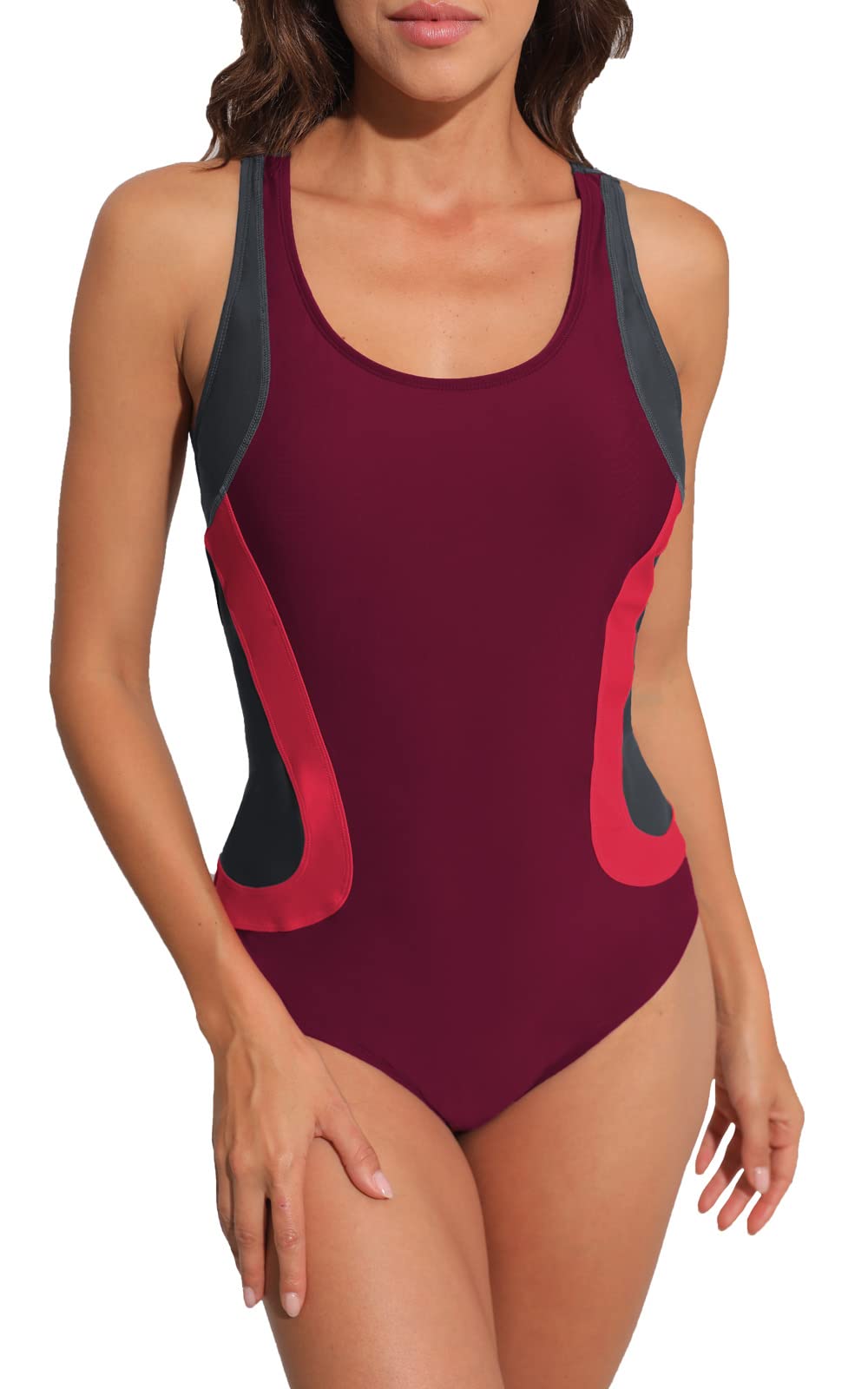
    Halcurt Women Sport Bathing Suit

    The Halcurt Women Sport Bathing Suit is an excellent choice for aqua aerobics enthusiasts seeking comfort, support, and style.

    Pros

    • Comfortable and quick-drying fabric
    • Removable soft bra padding for customizable support
    • Stylish color block design

    Cons

    • Some users experienced uneven bra padding
    • Leg opening might be too loose for some
    • May need to modify sizing recommendations for an optimal fit

    When it comes to aqua aerobics, we know that a good swimsuit is essential for a comfortable and enjoyable workout. The Halcurt Women Sport Bathing Suit boasts a blend of 82% nylon and 18% spandex, which provides an ultra-light and quick-drying experience. This fabric has excellent chlorine resistance, ensuring that the swimsuit will maintain its shape and color, even after frequent use.

    One of the standout features of this bathing suit is the removable soft bra padding with an elastic chest band. This offers adequate support during swimming or water aerobics while allowing for customization based on personal preferences. The racerback design with thick straps also contributes to freedom of motion and overall support, ensuring you can focus on your workout without distractions.

    Aesthetically, the Halcurt Women Sport Bathing Suit does not disappoint. The color block design and complementing splice offer an eye-catching look, whether you’re lap-training or partaking in outdoor swimming. However, users should be mindful of potential sizing issues, as some have reported uneven bra padding and loose leg openings. Taking this into consideration and possibly opting for a different size as needed may result in a better fit.

    In conclusion, the Halcurt Women Sport Bathing Suit is a solid choice for those seeking comfort and style in their aqua aerobics swimsuit. With quick-drying fabric, customizable support, and an eye-catching design, it’s a great investment for water workout enthusiasts. Just be sure to pay close attention to sizing recommendations and customer reviews to ensure the perfect fit.

    Aqua Eve Plus Size Swimsuits Athletic One Piece
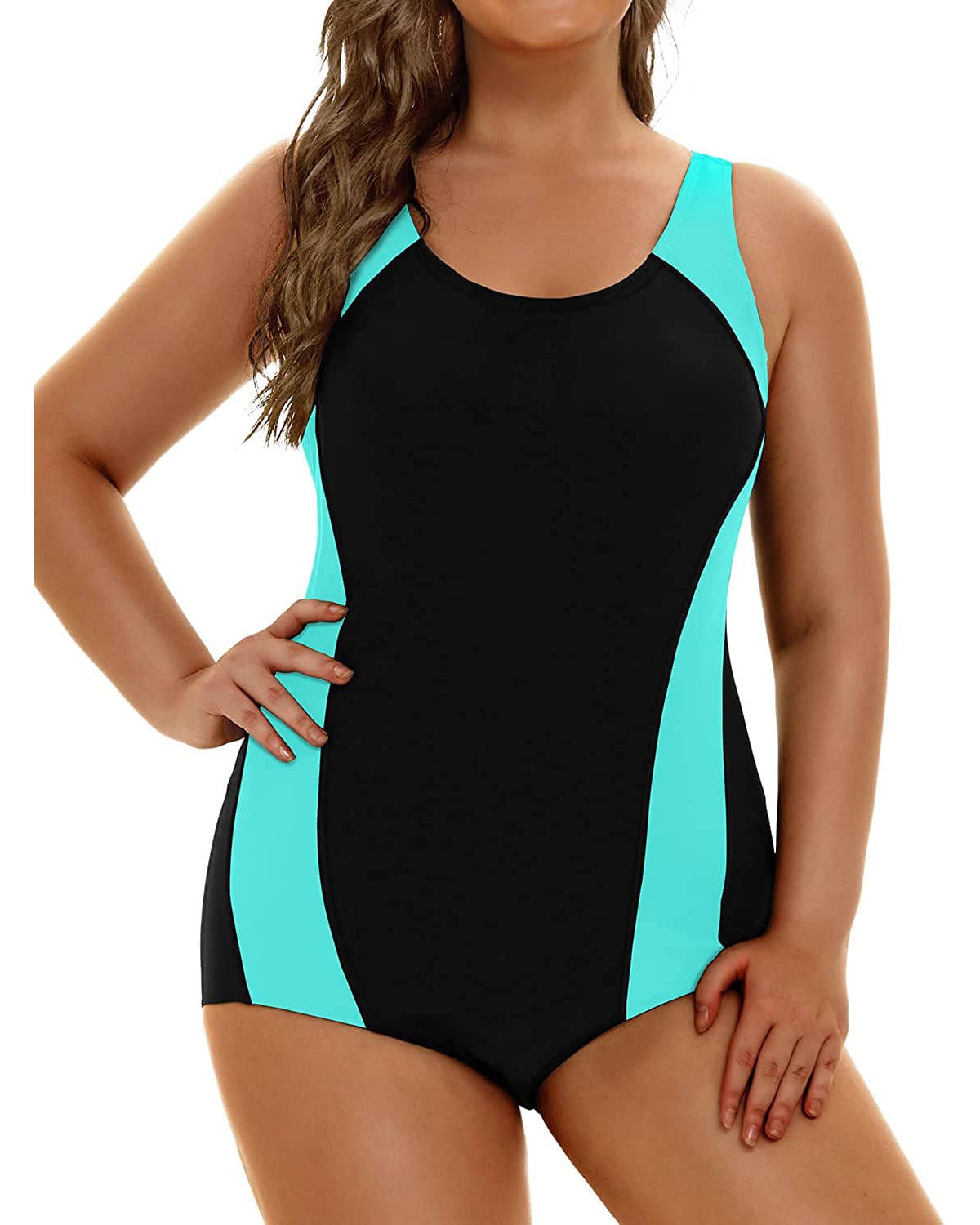
    Aqua Eve Plus Size Swimsuits

    A great option for plus-size women seeking a comfortable and stylish swimsuit for aqua aerobics.

    Pros

    • Slimming color block design
    • Built-in bra and supportive racerback
    • Quick-drying and durable material

    Cons

    • Lower cleavage cut than expected
    • Limited tummy control
    • May not suit tall or long-torso women

    We recently tried the Aqua Eve Plus Size Swimsuits Athletic One Piece for ourselves during our aqua aerobics sessions. The full-coverage design, combined with vivid colors and splicing wide shoulder straps, creates a slimming effect that makes us feel confident in the pool.

    The swimsuit features a U-neckline, which delivers moderate coverage; however, it may sit lower on the chest than some users would prefer. We appreciate the built-in bra, criss-cross racerback, and modest leg cut, which allows for a wider range of movement during water activities.

    The swimsuit is made from 82% Nyolon and 18% Spandex, ensuring quick-drying, stretchy, and durable properties. The material also provides a snug fit, perfect for water sports, training, and aqua aerobics.

    While we enjoyed wearing this Aqua Eve swimsuit, there are a few things to consider. If you have a taller or longer torso, this suit might not provide the ideal fit for you. Additionally, though there is some tummy support, the control level could be improved.

    Overall, the Aqua Eve Plus Size Swimsuit Athletic One Piece is an excellent choice for plus-size women looking for a comfortable, stylish, and functional bathing suit suitable for aqua aerobics and other water activities.

    beautyin Women’s Boyleg One Piece Swimsuit
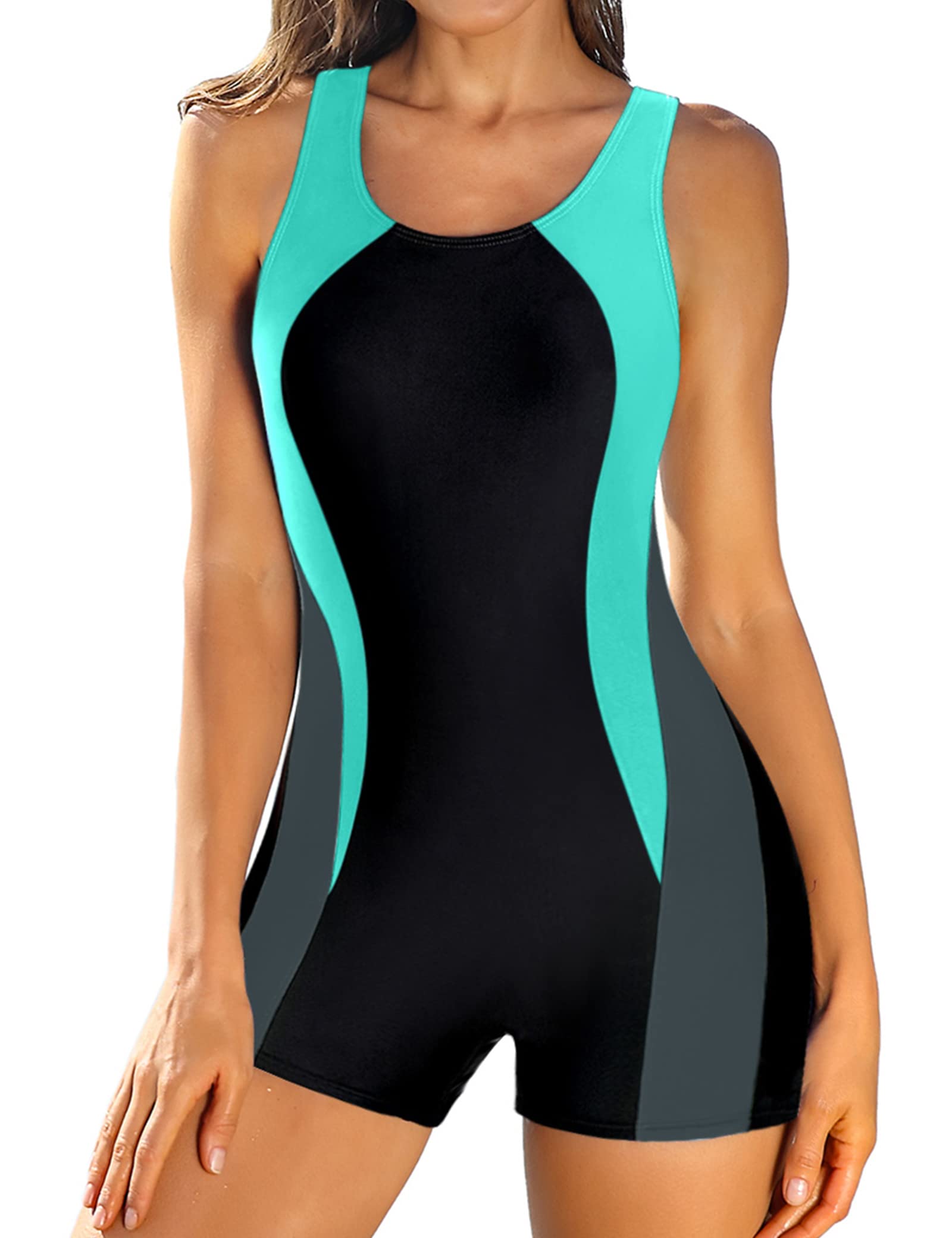
    beautyin Women's Boyleg One Piece Swimsuit

    The beautyin Women’s Boyleg One Piece Swimsuit is a fantastic choice for aqua aerobics enthusiasts who value comfort and performance.

    Pros

    • Excellent coverage and support
    • Racerback design for unrestricted movement
    • Chlorine proof and colorfast material

    Cons

    • Sizing may be tricky for some
    • Not ideal for those with wider hips
    • Padding might shift after a few uses

    We recently tried the beautyin Women’s Boyleg One Piece Swimsuit during our aqua aerobics class and were impressed by its comfort and functionality. The solid construction of this swimsuit, made with 82% nylon and 18% spandex, provides a comfortable and secure fit for various body types. The boyleg cut ensures good coverage, making it suitable for not only aqua aerobics but also other water sports activities.

    The racerback design with wide straps allows for unrestricted arm movement during exercises, ensuring that you can focus on your workout without worrying about your swimsuit getting in the way. In addition, the stay-put bra with an inserted elastic band offers excellent support and shape, making it comfortable to wear for extended periods.

    Another great feature of this swimsuit is its ability to withstand chlorine and maintain its color after continuous use in a chlorinated pool, ensuring the longevity of the product. The splicing with contrast detailing at the sides adds a slimming and stylish touch to the swimming suit.

    However, we noticed that the sizing could be a bit tricky for some individuals. It is crucial to carefully consult the size chart and user reviews to find the perfect fit. Additionally, if you have wider hips, the boyleg cut might not be the most flattering option. We also found that the padding might shift after a few uses, requiring some adjustment.

    Overall, the beautyin Women’s Boyleg One Piece Swimsuit is a reliable and stylish option for those taking part in aqua aerobics classes. Its comfort, support, and durability make it well worth considering for your next swimwear purchase.

    Aqua Eve Women Plus Size One Piece Swimsuit

    Aqua Eve Swimsuit

    Enhance your aqua aerobics experience with this stylish and supportive swimsuit from Aqua Eve.

    Pros

    • Flattering V-neck design
    • Adjustable straps and removable padded bras
    • Effective tummy control

    Cons

    • May experience material peeling
    • Strange odor upon arrival
    • Awkward lining in the chest area

    We recently tried the Aqua Eve Women Plus Size One Piece Swimsuit during our aqua aerobics class, and we loved how its V-neck design accentuated our neck curves while adding a touch of fashion. The adjustable straps and removable padded push-up bras provided excellent chest support and ensured our comfort throughout the session.

    The ruched design on the swimsuit’s stomach area offers effective tummy control, helping to conceal any imperfections and boost confidence. Made from 85% Polyester and 15% Spandex, the swimsuit’s fabric is soft, stretchy, and comfortable. Its full coverage design makes it suitable for various occasions, such as swimming pool visits, beach parties, summer vacations, or even honeymoons.

    However, we did notice some downsides. After a few uses, the swimsuit material started peeling slightly. Additionally, there was a strange odor when we first received the swimsuit. A thorough wash and air drying seemed to improve the smell significantly. Lastly, the lining in the chest area felt stiff and a bit awkward.

    Despite these drawbacks, we still believe that the Aqua Eve Women Plus Size One Piece Swimsuit is a great option for those seeking a stylish, supportive, and comfortable swimsuit for aqua aerobics. Its numerous size options and flattering design make it a worthwhile investment.

    Aqua Eve Women Plus Size Swimsuits
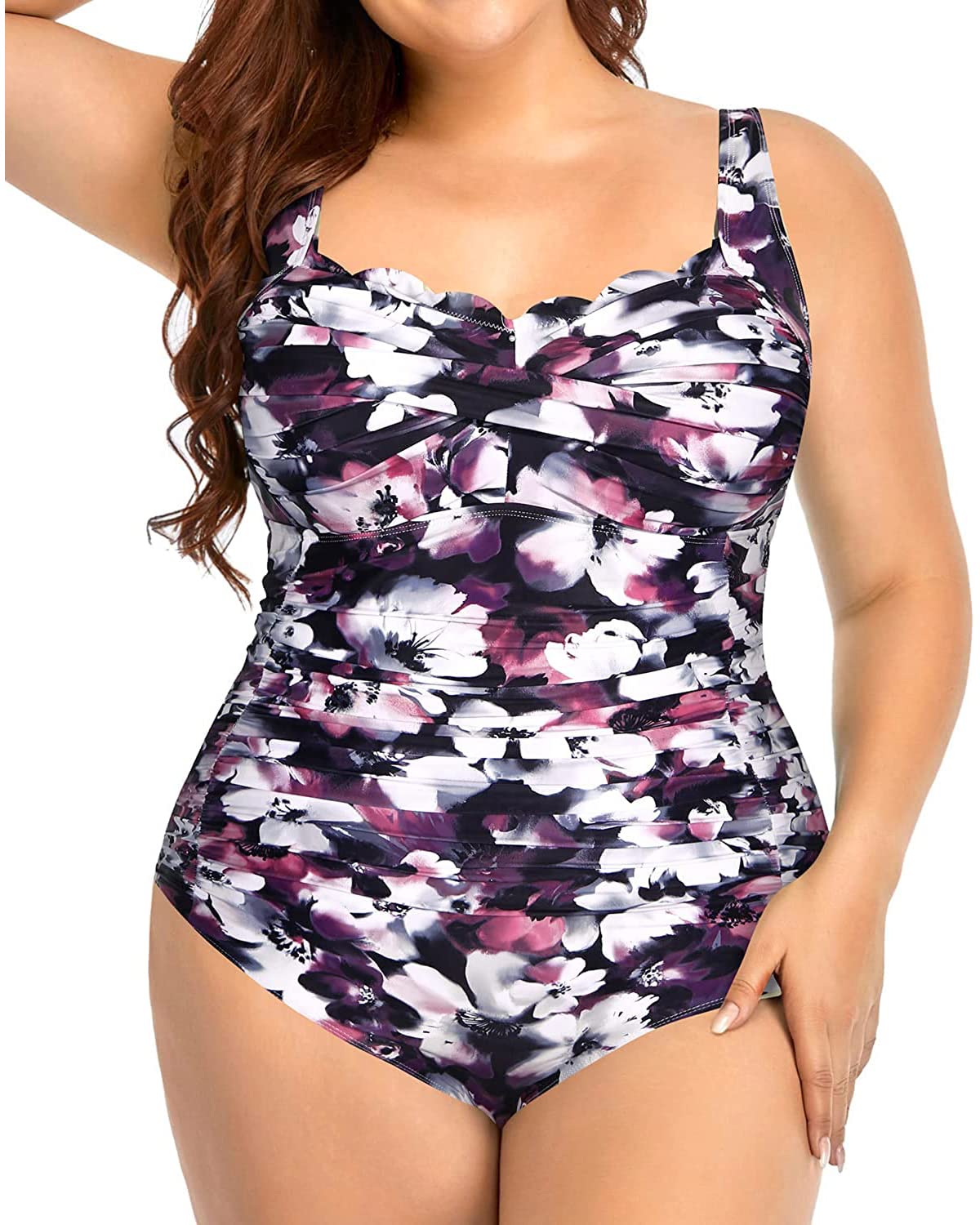
    Aqua Eve Women Plus Size Swimsuit

    We recommend the Aqua Eve Women Plus Size Swimsuit for its comfortable fit, tummy control, and stylish design.

    Pros

    • Adjustable shoulder straps and hook closure for support and comfort
    • Excellent tummy control with ruching in the stomach area
    • Retro look with twist front and scalloped collar

    Cons

    • Might not fit all body shapes perfectly
    • Only available in plus sizes
    • Limited color and pattern options

    We recently tried out the Aqua Eve Women Plus Size Swimsuit during our aqua aerobics sessions, and we were pleasantly surprised by its comfort and support. The adjustable shoulder straps and hook closure at the back provided maximum support, making our workout more enjoyable.

    The ruching in the stomach area of the swimsuit offered excellent tummy control, making us feel confident and slim. The retro style with a twist front and scalloped collar was flattering, showcasing our neck curves beautifully.

    However, we did notice that the swimsuit might not be an ideal fit for all body shapes. Also, it caters exclusively to plus sizes, so women looking for smaller sizes may need to look elsewhere. Additionally, the color and pattern options for this swimsuit are somewhat limited.

    Overall, the Aqua Eve Women Plus Size Swimsuit is an excellent option for women seeking a comfortable, supportive, and stylish swimsuit for aqua aerobics. If you are in the market for a new swimsuit that ticks all these boxes, we highly recommend giving this one a try.

    Buying Guide

    When looking for the best swimsuits for aqua aerobics, there are several factors to consider. In this buying guide, we will share some tips on how to choose the perfect swimsuit for your needs.

    First, consider the material of the swimsuit. Swimsuits for aqua aerobics should be made of high-quality, chlorine-resistant fabric such as polyester or polyester blends. These materials are more durable and will maintain their shape and color longer than other fabrics.

    Next, think about the style and fit of the swimsuit. You want a suit that provides enough support and coverage for the activity. Look for swimsuits with wide straps, racerback designs, or built-in bras for added support and security. Additionally, a well-fitting swimsuit should be snug and comfortable, allowing for a full range of motion during your workout.

    Another important feature to consider is the leg cut of the swimsuit. Higher-cut leg openings provide more freedom of movement and can be preferred for aqua aerobics classes. However, some women may prefer a more conservative leg cut for additional coverage.

    Here are some features to look for when choosing a swimsuit for aqua aerobics:

    • Material: Polyester, polyester blends, or other chlorine-resistant fabrics
    • Style: Wide straps, racerback design, or built-in bras for support
    • Fit: Snug and comfortable, enables a full range of motion
    • Leg cut: Higher-cut for freedom of movement or more conservative for comfort

    Remember that the most important factor when choosing an aqua aerobics swimsuit is comfort. If you feel confident and comfortable in your swimsuit, you will be more likely to enjoy your workout and stay committed to your fitness routine. Take the time to try out different styles and find the perfect swimsuit for you and your needs.

    Frequently Asked Questions

    What are the top chlorine-resistant swimsuits for water aerobics?

    Chlorine-resistant swimsuits are essential for aqua aerobics as they maintain their shape, color, and quality over time. Some great options include swimwear made of polyester or PBT (polybutylene terephthalate) fabric, such as those from TYR, Speedo, and Dolphin. These materials are specifically designed to withstand the harsh effects of chlorine, making them an excellent choice for water workouts.

    Which swimsuit styles offer the best support during aqua aerobics?

    When participating in aqua aerobics, proper support is crucial to ensure comfort and ease of movement. Swimsuits with built-in bras, racerback designs, or adjustable straps provide ideal support while still allowing for a full range of motion. Some popular styles include one-piece swimsuits, tankinis, and swim dresses with these supportive features.

    What are some popular plus-size workout swimsuits for water exercise?

    For plus-sized individuals looking for quality and comfortable workout swimsuits, there are several options available. Brands like Speedo, Aquabelle, and Swimsuitsforall offer stylish and supportive swimwear specifically tailored for plus-sized individuals. Styles such as tankinis, swim dresses, and one-piece swimsuits with adjustable straps, built-in bras, and tummy control panels are popular options.

    How do I choose the right size for my aqua aerobics swimsuit?

    To find the perfect size swimsuit for aqua aerobics, it’s essential to consult the size chart provided by the specific brand. In general, it’s crucial to prioritize measurements such as bust, waist, and hips while considering features like adjustable straps or side shirring for a better fit. Additionally, keep in mind that swimsuits often tighten up when wet, so it’s important to find a suit that is comfortable while still being snug.

    What materials should I look for in a swimwear suitable for water exercise?

    When shopping for swimwear for water workouts, prioritizing durable and chlorine-resistant materials is essential. These materials include polyester, PBT, and blends of the two. Such fabrics hold their shape, resist fading, and allow for greater elasticity and durability, making them an excellent choice for water exercise.

    Are there any specific brands known for their aquatic swimwear?

    Yes, several brands are renowned for offering quality swimwear tailored for aqua aerobics and water workouts. Some of the well-known brands in the aquatic swimwear market include Speedo, TYR, Dolphin, Aquabelle, and Swimsuitsforall. These brands offer a wide range of styles, sizes, and support levels, ensuring that you will find the perfect swimsuit to best suit your needs during your water exercises.

  • Shallow Water vs. Deep Water Aqua Aerobics: a Comparison

    Aqua aerobics has gained popularity in recent years, offering low-impact workouts suitable for a wide range of fitness levels and ages. As you explore this engaging and refreshing form of exercise, you may wonder about the differences between shallow water and deep water aqua aerobics. Understanding these variations will help you choose the right class and get the most out of your underwater workout.

    In shallow water aqua aerobics, you’ll typically find yourself in waist- to chest-deep water, allowing you to have your feet on the pool floor. This type of workout is ideal for beginners, as it provides added stability and familiarity with a land-based feel. On the other hand, deep water aqua aerobics takes place in water that’s over your head, requiring the use of a flotation device to help you stay afloat. This challenges your body and core muscles to work harder, offering an increased level of intensity for more advanced participants.

    Both forms of aqua aerobics come with their unique benefits and challenges, but the core principles remain the same: using water resistance to improve cardiovascular fitness, strength, and flexibility. Consider your personal fitness goals and comfort level when selecting between shallow and deep water classes, and remember to always listen to your body and instructors for the best aquatic workout experience.

    Exploring Aqua Aerobics

    Aqua aerobics is a low-impact, full-body workout that takes place in the water, perfect for people of all fitness levels. It combines the advantages of both water resistance and cardiovascular exercise to provide an effective workout. Let’s take a closer look at the two main types of aqua aerobics: shallow water aerobics and deep water aerobics.

    Shallow Water Aerobics

    Shallow water aerobics is performed in waist-deep water, allowing you to have one foot or both feet on the pool floor as you exercise. This type of workout is ideal for beginners, as it provides more stability, support, and safety.

    Some benefits of shallow water aerobics include:

    • Low impact: It’s gentle on your joints, making it suitable for people with joint or mobility issues, pregnant women, and seniors.
    • Muscle toning: Water resistance helps tone various muscle groups, making your movements more effective.
    • Calorie burning: You can burn calories while keeping cool in the water, making it a fun and enjoyable workout.

    Common shallow water exercises:

    • Side leg lifts
    • Water jogging
    • Aqua lunges

    Deep Water Aerobics

    Deep water aerobics is performed in deeper water, often with the assistance of a flotation belt or other buoyancy aids. This type of workout requires more core strength and balance, making it more challenging than shallow water aerobics.

    Some benefits of deep water aerobics include:

    • Zero impact: Your body is fully suspended in water, eliminating joint stress and reducing the risk of injury.
    • Increased intensity: The lack of support from the pool floor increases the intensity of your workout, providing a greater challenge for your muscles.
    • Improved cardiovascular fitness: The increased resistance of the water helps enhance your cardiovascular endurance.

    Common deep water exercises:

    • Scissor kicks
    • Suspended jumping jacks
    • Treading water

    Now that you have an overview of shallow and deep water aerobics, you can choose the one that best suits your fitness level and goals. Don’t be afraid to give both types a try – varying your workouts will keep you engaged and help you stay on track with your fitness journey.

    Key Differences

    Intensity Levels

    In shallow water aqua aerobics, you are working out in water that is waist to chest deep. This provides a low-impact, moderate-intensity workout that helps to tone muscles and improve cardiovascular fitness. It’s a great start for beginners because you can easily adjust the intensity of your workout by simply moving slower or faster through the water.

    Deep water aqua aerobics, on the other hand, takes place in water that is at least chin-deep, usually with the use of a flotation device such as a buoyancy belt. This type of workout provides a higher-intensity, full-body workout. You’ll also engage your core more in deep water, as you need to stabilize yourself without the support of the pool floor.

    Required Skills

    Shallow water aqua aerobics is ideal for beginners and people who may not have strong swimming skills. As long as you’re comfortable in the water, you can participate and work at your own pace. Additionally, this type of workout is suitable for individuals with joint issues or those recovering from injuries.

    For deep water aqua aerobics, it is important to have at least basic swimming skills as well as a higher level of comfort in deep water. This type of workout requires a bit more coordination, making it better suited for those with more experience in water-based exercises or a strong foundation in swimming.

    Safety and Risks

    Both shallow and deep water aqua aerobics provide a safe and low-impact way to exercise, particularly for people with joint concerns or injuries. However, there are some differences in terms of safety and potential risks:

    • In shallow water, you have the pool floor for support, which makes it more comfortable and secure for those who are less confident in the water.
    • Deep water workout does come with a slight increase in risk, as it requires a higher level of comfort and swimming skills. It’s important to wear the appropriate buoyancy belt or other flotation device to maintain flotation and reduce the risk of injury or drowning.

    Remember to listen to your body and not push yourself beyond your limits. In both types of aqua aerobics, always take the time to warm up properly and stretch to minimize the risk of injury.

    Benefits Comparison

    Physical Health Benefits

    When it comes to shallow water aqua aerobics, you’ll find that the workouts are typically low-impact and gentle on your joints. This makes it an excellent choice for those recovering from injuries or looking for a low-impact form of exercise. In shallow water, you’re likely to focus on activities like walking, jogging, and simple resistance exercises, all of which can help improve cardiovascular health, muscle strength, and flexibility.

    Deep water aqua aerobics offers unique physical health benefits, too. Since you’re fully submerged in the water, your body has to work harder to keep afloat and maintain proper form, which increases the intensity of the workout. The added resistance from the water can help build muscle strength and endurance, as well as enhance cardiovascular fitness.

    Shallow Water Deep Water
    Cardiovascular Fitness :white_check_mark: :white_check_mark:
    Muscle Strength :white_check_mark: :white_check_mark:
    Low-impact Workout :white_check_mark: :small_orange_diamond:

    Mental Health Benefits

    Both shallow and deep water aqua aerobics can be incredibly beneficial for your mental well-being. Engaging in any form of physical activity can release endorphins, which are the “feel-good” hormones that help improve your mood and reduce stress.

    Shallow water workouts are known for their relaxing and calming effects. Working out in a low-stress environment while remaining close to the pool’s edge can provide a sense of security and comfort. It is perfect for individuals dealing with stress, anxiety, or seeking a tranquil workout experience.

    On the other hand, deep water exercises can challenge you in new ways and give you a sense of accomplishment. It pushes you to learn new skills and be adaptable in a dynamic environment. This can lead to increased self-confidence and a sense of empowerment.

    In both cases, participating in group classes can help foster social connections, providing an additional boost to your mental health.

    Shallow Water Deep Water
    Stress Reduction :white_check_mark: :white_check_mark:
    Sense of Security :white_check_mark: :small_orange_diamond:
    Self-confidence :small_orange_diamond: :white_check_mark:
    Social Interaction :white_check_mark: :white_check_mark:

    As you can see, choosing between shallow and deep water aqua aerobics depends on your personal goals, fitness levels, and preferences. Both types of workouts have their own set of physical and mental health benefits, so feel free to try them both and find which one works best for you.

    Suitability and Recommendations

    In shallow water aqua aerobics, you mostly exercise in waist-to-chest-deep water, which offers more balance and stability. This type of aqua aerobics is suitable for beginners, seniors, and those recovering from an injury. It’s also ideal if you’re looking for a low-impact workout that still provides cardiovascular benefits and helps build strength. Some recommended shallow water exercises include:

    • Aqua jogging: This mimics the motion of jogging on land but with less strain on the joints.
    • Leg lifts: Stand in the water and lift your legs one at a time, engaging your core for balance.
    • Flutter kicks: Hold onto the side of the pool and kick your feet for an excellent lower-body workout.

    Deep water aqua aerobics, on the other hand, takes place in water that is deeper than your height, often with a flotation belt for support. These classes are better suited for more experienced exercisers or individuals who are comfortable in deep water. Deep water aerobics provides more of a challenge, as you need to engage your core muscles and work against the water resistance. Some recommended deep water exercises include:

    • Treading water: Using your arms and legs, maintain a vertical position in the water for an excellent full-body workout.
    • Scissor kicks: While wearing a flotation belt, kick your legs in a scissor-like motion for a great lower-body exercise.
    • Cross-country skiing: Mimic the motion of skiing by moving your arms and legs in opposition, helping to build strength and endurance.

    There’s no one-size-fits-all when it comes to aqua aerobics, so be sure to consider your comfort level and fitness goals when choosing a class. Shallow water is more accessible and offers a lower-impact workout, while deep water provides a more challenging experience that requires additional core strength and control. Try both types and see which one works best for you, and always listen to your body and adjust the intensity as needed.

    Frequently Asked Questions

    What is the ideal pool depth for shallow water aerobics?

    The ideal pool depth for shallow water aerobics is typically between waist and chest deep, which is around 3 to 4 feet. This depth allows you to have a good range of motion while still having the support of the water.

    How does deep water aerobics intensity compare to shallow water?

    In general, deep water aerobics is more intense than shallow water aerobics. Because you are suspended in the water with no solid ground to push off, your body needs to work harder to stabilize and maintain balance, leading to greater muscle engagement and cardiovascular intensity.

    Are there specific exercises for shallow and deep water aqua aerobics?

    Yes, there are specific exercises for both shallow and deep water aqua aerobics. In shallow water, you can perform exercises like water jogging, leg lifts, and side-to-side jumps with ease. For deep water exercises, you may use flotation belts, pool noodles, or dumbbells to perform suspended movements like bicycle kicks or treading water. Both types of exercises provide a great workout!

    Is it easier to swim in shallow or deep water for aerobics?

    There’s not a one-size-fits-all answer to this, as the difficulty level depends on your individual comfort in the water and your fitness level. Shallow water aerobics might feel easier because you can touch the ground, while deep water aerobics can be more challenging due to the need to stabilize your body. Give both a try and see which one is a better fit for your needs.

    Which type of aqua aerobics is better for beginners?

    Shallow water aerobics is generally more accessible for beginners, as it allows you to get used to the feeling of exercising in the water while still being able to touch the pool floor. As you gain more confidence and experience, you can gradually transition to deep water aerobics if you want a more challenging workout.

    Do shallow and deep water aerobics target different muscle groups?

    Both shallow and deep water aerobics target a range of muscle groups, but the emphasis may vary depending on the exercises performed. Shallow water aerobics tend to focus more on leg muscles and core, while deep water aerobics can engage a broader range of muscles due to the suspension effect. However, both types are effective for full-body workouts when a variety of exercises are incorporated.

  • What is the Etiquette for Lap Swimming in a Public Pool? A Comprehensive Guide

    Lap swimming at a public pool can be an enjoyable and beneficial exercise for both your body and mind. However, sharing the pool with others requires attentiveness and adherence to certain guidelines to ensure a positive experience for all. Familiarizing yourself with the proper etiquette for lap swimming at a public pool is essential for maintaining a harmonious swimming environment.

    When you first arrive at the pool, take a moment to observe the lanes and the swimmers already in the water. Look for signs designating the speed, such as slow, medium, or fast lanes, and choose the lane that best matches your abilities. If there are no signs, try to gauge the speed of the swimmers and find a lane with others swimming at a similar pace to yours.

    Once you have chosen a lane, make sure to wait for an appropriate opening before entering the water. If the lane is already occupied, you may need to share the lane with other swimmers. In the event of sharing, it is polite to communicate your intention to join and establish the best way to share the space, such as circle-swimming or dividing the lane. Remember, showing consideration for others’ needs and comfort will contribute to a pleasant swimming experience for everyone involved.

    Understanding Swimming Pool Etiquette

    Importance of Etiquette in Public Pools

    When you visit a public swimming pool for lap swimming, it’s crucial to be aware of the etiquette rules to ensure a pleasant experience for everyone. Proper pool etiquette helps keep the environment safer and more enjoyable for swimmers of all skill levels. By following these guidelines, you show respect for fellow swimmers and contribute to a positive, comfortable atmosphere.

    Basic Concepts of Lap Swimming

    • Select the appropriate lane: Before joining a lane, observe the ongoing pace and skill level of each swimmer. Choose a lane that matches your swimming speed, ensuring you don’t disrupt the flow with slow or fast strokes. Some pools designate lanes for specific speeds – slow, medium, or fast.
    • Enter the pool respectfully: When entering the pool, gently slide into the water or use the pool ladder, avoiding splashing or jumping. This way, you will not disturb other swimmers, and you can start your lap session smoothly.
    • Circles or splits: Depending on the number of people in your lane and their preferences, you may need to swim in a circular pattern, keeping to one side of the lane, or split the lane into halves. Ensure that you communicate with your fellow swimmers to maintain a smooth flow.
    • Passing and being passed: If you need to pass a slower swimmer, lightly tap their foot to signal your intention to pass. Wait for the swimmer to acknowledge and move to the side, giving you space to pass. If you are the one being passed, take a brief pause at the end of the pool to let the faster swimmer overtake you.

    Remember that everyone has different skill levels, and practicing proper lap swimming etiquette creates a more enjoyable experience for both you and your fellow swimmers.

    General Rules of Pool Etiquette

    Lane Sharing

    When you arrive at the pool, look for available lanes before jumping in. If a lane is occupied, it’s a good idea to ask the swimmer if you can share the lane with them. It’s common for swimmers to split the lane in half, keeping to their respective sides. In a busy pool, swimming in a circular pattern (also known as “circle swimming”) around the lane is the norm, always staying on the right side to avoid collisions.

    Entering and Exiting the Pool

    It’s essential to be mindful of others when entering and exiting the pool. If you need to enter an occupied lane, always make eye contact with the swimmer and clear your intentions. Avoid diving or jumping into the pool as it could injure other swimmers. When exiting the pool, be aware of the swimmers around you and avoid blocking their path as they swim.

    Use of Swimming Accessories

    Using swimming accessories, such as fins, kickboards, and pull buoys, is a great way to improve your swimming technique and enjoy your workout. However, make sure to use these accessories responsibly. Avoid using long fins during peak hours or in crowded lanes, as they can take up too much space, and be extra cautious not to accidentally hit or kick others. Always store your swimming accessories neatly at the poolside or in designated areas, so they don’t obstruct others.

    Specific Lap Swimming Etiquette

    Pacing

    When you’re lap swimming in a public pool, it’s important to maintain a consistent pace. Find a lane with swimmers who are moving at a similar speed to you. If you are unsure about your pace, observe others first to gauge where you’d fit in. Once you join a lane, try to maintain an even distance with the other swimmers. This helps to avoid collisions and allows everyone to swim smoothly.

    Passing

    Sometimes, you may find yourself needing to pass another swimmer. If this occurs, follow these guidelines:

    1. Make sure the lane is clear before attempting to pass.
    2. Lightly tap the slower swimmer’s foot to signal that you would like to pass.
    3. Pass on the left side only, if possible.
    4. Avoid aggressive splashing or suddenly speeding up.
    5. Once you’ve passed the swimmer, resume your original pace.

    It is also good etiquette to be respectful of other swimmers while passing, and be mindful not to impede anyone else’s progress.

    Resting

    Taking breaks during your swim is completely normal. When you need to rest:

    1. Move to the side or corner of the lane, away from the center.
    2. Hold onto the wall and keep your legs out of the way.
    3. If you are on the side of a lane with an incoming swimmer, make sure to move to the other side to make room.
    4. When you’re ready to resume, ensure there’s enough space to merge back into the lane.

    By adhering to these lap swimming etiquette tips, you’ll help foster a pleasant and efficient environment for yourself and others at the public pool.

    Common Mistakes in Lap Swimming Etiquette

    When you are lap swimming in a public pool, there are a few common mistakes that you should avoid to make the experience more enjoyable for everyone.

    One common mistake is not choosing the correct lane for your swimming speed. Public pools usually have designated lanes for slow, medium, and fast swimmers. Make sure to choose the appropriate lane for your speed to avoid collisions or causing delays for other swimmers.

    Another mistake is not following the direction of swimmers in the lane. To ensure smooth and uninterrupted swimming, follow the direction indicated by signs or markers at the pool. It is generally a good practice to swim in a counterclockwise direction.

    When entering or exiting a lane, be mindful of other swimmers. Use the pool ladder or slide into the water without making a lot of disturbance. Upon entering, join the flow of other swimmers without obstructing them.

    Passing another swimmer in the lane can be awkward if not done correctly. If you need to pass someone, gently touch their foot to signal your intent. The slower swimmer should allow the faster swimmer to pass at the next wall or when they have a safe opportunity to do so.

    Pay attention to resting at the wall. When taking a break, move to the side of the lane to make way for other swimmers who are continuing to swim.

    Lastly, remember that public pools are shared spaces. Maintain a respectful attitude towards other swimmers and lifeguards, and follow any posted rules or regulations.

    By avoiding these common mistakes and practicing proper etiquette, your lap swimming experience will be more enjoyable and efficient for everyone involved.

    Improving Lap Swimming Skills While Maintaining Etiquette

    To improve your lap swimming skills while maintaining etiquette, there are several practices you can follow that will allow you to become a better swimmer and keep the peace with your fellow lap swimmers.

    Firstly, be sure to warm up and stretch before entering the pool. This helps you avoid injuries and ensures that you are ready for a smooth and efficient swim session. Once you are in the pool, choose a lane that matches your swimming speed. Most public pools designate lanes for slow, medium, and fast swimmers. By selecting the appropriate lane, you will be able to swim at your own pace without disrupting others or causing traffic.

    In addition, practice circle swimming when sharing a lane with other swimmers. This means swimming in a counterclockwise direction, staying on the right side of the lane. This organized movement allows everyone to swim without collisions. Be mindful of where you stop for a break; the best place to do so is in the corner of the lane, away from the middle and without blocking others’ paths.

    Communication is key to maintaining a pleasant lap swimming environment. Before joining a crowded lane, make sure to get the attention of the current swimmers and indicate your plan to join. When you have completed your workout and are ready to exit the pool, give your lane partners a signal, like a friendly wave or nod, to acknowledge your departure and thank them for sharing the lane.

    Lastly, always be courteous and respectful of other swimmers. Give them enough space, and if you need to pass someone, gently tap their foot to let them know your intention. Follow these guidelines consistently, and you will not only improve your lap swimming skills but also maintain proper etiquette in public pool settings.

    Conclusion

    When lap swimming in a public pool, following proper etiquette ensures a pleasant experience for you and other swimmers. Always be aware of your surroundings, and respect the rules set by the facility.

    Before entering the pool, observe the posted guidelines and the lane designations. Choose a lane that matches your swimming ability and style. If necessary, inquire with the lifeguard for guidance.

    When sharing a lane, either split the lane or circle swim, depending on the preference of your fellow swimmers. Communicate with them before making a decision. While swimming, maintain a consistent pace and allow faster swimmers to pass at the appropriate locations.

    Finally, be considerate of the facility and fellow swimmers by keeping the pool deck clean and free of clutter. Enjoy your swim, and remember that everyone is there for the same purpose: exercise and relaxation. By adhering to these etiquette guidelines, you contribute to a positive swimming environment for all.

  • Is Aqua Aerobics Good for Weight Loss? Exploring the Benefits and Effectiveness

    Aqua aerobics, also known as water aerobics or aquatic fitness, has gained popularity in recent years as a fun and low-impact exercise option. It involves performing various aerobic exercises in a pool, usually waist-deep or chest-deep water. This activity provides a unique way of engaging several muscle groups simultaneously, while the water’s buoyancy minimizes stress on joints. As a result, aqua aerobics is considered an ideal workout for all ages and fitness levels, including those new to exercising or recovering from injuries.

    The question, however, is whether aqua aerobics is suitable for weight loss. After all, many people’s primary fitness goal is shedding those extra pounds. There’s good news for those interested in incorporating this workout into their routine—it does indeed provide an effective calorie-burning workout that can contribute to weight loss. When combined with a healthy diet and other forms of exercise, aqua aerobics can deliver noticeable results over time.

    Key Takeaways

    • Aqua aerobics is a low-impact, fun exercise suitable for various fitness levels.
    • It can contribute to weight loss when paired with a healthy diet and other exercises.
    • Aqua aerobics offers various physical benefits apart from weight loss, making it suitable for everyone.

    What is Aqua Aerobics

    Aqua aerobics is a form of exercise that takes place in water, usually a swimming pool. It combines the basic principles of aerobics with water resistance, providing you with an effective and enjoyable workout. The buoyancy of the water helps to support your body, which makes it a low-impact exercise suitable for people of all ages and fitness levels.

    During an aqua aerobics session, you will perform a variety of movements and exercises that target different muscle groups. These may include jumping jacks, leg lifts, jogging in place, and other familiar aerobic moves. The water adds resistance to each movement, requiring you to engage your muscles more than you would in a land-based workout.

    In addition to its cardiovascular benefits, aqua aerobics can help you improve your strength, flexibility, and balance. The water’s resistance forces you to work against it, which strengthens your muscles. At the same time, the buoyancy of the water helps to improve your flexibility by making it easier to stretch and move your joints. Moreover, maintaining balance in the water can improve your core strength and stability.

    Aqua aerobics classes are often led by certified instructors who provide guidance and ensure that you are performing the exercises safely and effectively. The classes may involve the use of equipment, such as aqua dumbbells, foam noodles, and kickboards, to add variety and challenge to the workout.

    In summary, aqua aerobics is a full-body workout that combines cardiovascular and strength training in a low-impact, enjoyable environment. With numerous benefits, it’s an excellent option for anyone looking to improve their fitness and overall health.

    The Connection between Aqua Aerobics and Weight Loss

    Calories Burnt in Aqua Aerobics

    Aqua aerobics can indeed help you in your weight loss journey. The number of calories you burn depends on factors such as your weight, the duration, and intensity of the workout. On average, you can expect to burn between 400-500 calories per hour during an aqua aerobics session. The buoyancy of water reduces the impact on your joints, making it a safe and effective way to burn calories.

    To give you a better understanding, let’s compare the calories burnt in aqua aerobics to other popular workouts:

    Workout Calories Burnt per Hour
    Aqua Aerobics 400-500
    Swimming 500-700
    Running 600-900
    Cycling 400-600

    Intensity Level of Aqua Aerobics

    Apart from the calories burnt, it’s essential to consider the intensity level of your workout. In aqua aerobics, you can easily modify the intensity to suit your fitness level. Incorporating water resistance and dumbbells or noodles can help increase the intensity and challenge you more during your workout.

    Remember, the higher the intensity, the more calories you will burn. Here are some key points to keep in mind:

    • Make your movements larger and more exaggerated to create more resistance.
    • Use water dumbbells or noodles to increase intensity.
    • Try interval training (alternating high-intensity movements with low-intensity recovery periods).

    In conclusion, aqua aerobics can be an effective workout for weight loss, provided you maintain the appropriate intensity level and combine it with a well-balanced diet. So, give it a try and benefit from the low-impact, high-energy workout that aqua aerobics has to offer.

    Physical Benefits of Aqua Aerobics

    Aqua aerobics is an excellent workout that provides numerous physical benefits. As you engage in this water-based exercise, you’ll benefit from both cardiovascular and muscular conditioning. Water resistance is a unique aspect of aqua aerobics, as it allows for a challenging yet low-impact workout.

    One of the primary benefits of aqua aerobics is the increased energy expenditure, which helps promote weight loss. When you exercise in water, you burn more calories compared to traditional exercises on land. This is because water increases the amount of work your muscles and cardiovascular system have to perform. As a result, you burn more calories and potentially shed excess weight.

    Another advantage of engaging in aqua aerobics is joint and muscle support. The buoyancy of water decreases the impact on your joints, making this form of exercise perfect for reducing discomfort and preventing injuries. Water also supports and cushions your muscles, reducing strain and promoting flexibility.

    Furthermore, aqua aerobics challenges and tones your muscles. The water’s resistance forces your muscles to work hard, enhancing strength and endurance. This total-body workout targets multiple muscle groups, ensuring a well-rounded and effective exercise routine.

    Lastly, aqua aerobics promotes cardiovascular fitness. The resistance provided by water increases the work your heart has to do, thereby improving your heart and lung function. This boost in cardiovascular endurance contributes to overall health and fitness.

    By incorporating aqua aerobics into your routine, you can enjoy a low-impact, effective workout with numerous physical benefits that aid in your weight loss journey.

    Potential Barriers and Solutions for Aqua Aerobics

    Accessibility and Convenience

    One potential barrier to participating in aqua aerobics is accessibility. If you live in a rural area or do not have access to a gym with a pool, it might be challenging to find a suitable location for water-based exercise. However, there are some solutions you can consider to overcome this obstacle:

    • Look for local community centers or public pools that offer aqua aerobics classes.
    • Consider joining a gym with a pool if there is one within reasonable commuting distance.
    • Some hotels and resorts might allow you to use their pool for a fee, so inquire about this option, especially if you travel for work or pleasure.

    Another barrier might be the convenience aspect – fitting aqua aerobics sessions into your busy schedule. Here are some tips to help you stay consistent:

    • Book classes in advance and set reminders to prioritize your workout sessions.
    • Explore options to attend classes during your lunch break or right after work to reduce commute time.
    • Look for gyms that offer early morning or late evening classes to accommodate different schedules.

    Possible Injuries and Safety Precautions

    As with any physical activity, there is a risk of injury during aqua aerobics. However, you can take precautions to minimize these risks and ensure a safe workout experience:

    • Warm-up and cool-down: Performing stretches and light exercises before and after each session will help prepare your muscles and joints for the workout and prevent injuries.
    • Proper footwear: Wearing water shoes will provide grip and support on the pool floor, reducing the risk of slips and falls.
    • Know your limits: Be aware of your body’s limitations and do not push yourself too hard, especially when you are new to aqua aerobics.
    • Consult a professional: If you have any existing medical conditions or concerns, consult your doctor before starting any exercise program, including aqua aerobics.

    By addressing barriers related to accessibility and convenience, as well as taking safety precautions, you can enjoy the benefits of aqua aerobics for weight loss and overall health.

    Proper Routine for Aqua Aerobics

    Aqua aerobics can be an effective and enjoyable way for you to lose weight. To maximize the benefits of this exercise, you should follow a proper routine.

    Before starting the workout, ensure you have the right gear such as a swimsuit, water shoes, and a water bottle to stay hydrated. Begin your aqua aerobics session with a warm-up. Take five to ten minutes to acclimate your body to the water, slowly moving your limbs, and gradually increasing your heart rate.

    Next, incorporate various exercises in your routine that target different muscle groups. Include movements such as jogging, jumping jacks, and high knees for cardio improvement. For the upper body, consider using water dumbbells or pool noodles for different arm exercises like bicep curls and tricep extensions. Don’t forget the lower body—do leg exercises like water squats, lunges, and leg lifts. Ensure that you’re maintaining proper form during the exercises to optimize their effectiveness.

    To challenge yourself and keep your workouts interesting, try combining some of these exercises:

    • Cardio Circuit: Alternate between 30-60 seconds of high-intensity cardio exercises such as treading water, sprint swimming, or water jogging, followed by a brief rest period.
    • Resistance Training: Use buoyancy tools like water dumbbells or resistance bands to add challenge to your strength exercises.
    • Interval Training: Implement bursts of high-intensity movements, followed by periods of low-intensity exercises or rest.

    If you’re new to aqua aerobics or have concerns about your fitness level, consider joining a group class or working with a certified instructor. They can help you modify the exercises to suit your needs and ensure your safety.

    Finally, it is essential to incorporate a cool-down period at the end of your session. Spend five to ten minutes gently stretching your muscles and gradually lowering your heart rate.

    Establishing a consistent, well-rounded aqua aerobics routine will help you effectively burn calories and shed excess weight, all while enjoying the benefits of exercising in water.

    Variations of Aqua Aerobics

    Aqua aerobics offers a variety of workouts that cater to different fitness levels and preferences. Incorporating these variations into your routine can promote weight loss and make exercise more enjoyable.

    Shallow Water Workouts: Conducted in waist-deep water, these sessions provide a low-impact environment for exercise. You can perform movements like jumping jacks, running, and squats while the water’s resistance intensifies each action, thereby helping you burn more calories.

    Deep Water Workouts: Performed in deeper water, these classes use flotation belts or noodles to support your body. You’ll engage your core, arms, and legs through exercises like cycling, scissor kicks, and treading water. This workout focuses more on strengthening and toning your muscles than burning calories.

    Water Yoga and Pilates: Combining traditional yoga or Pilates with water resistance, this workout aims to improve balance, flexibility, and core strength. Though it may not create high calorie burn, it can still contribute to weight loss by enhancing overall fitness and muscle tone.

    Aqua Zumba: This energetic variation of aqua aerobics incorporates Latin-inspired dance moves, creating a fun and dynamic workout that helps you burn calories. The fast-paced music and lively atmosphere make this class enjoyable, and you may even forget you’re working out.

    Aqua Circuit: This workout challenges your endurance and strength by combining cardiovascular and resistance exercises. You’ll move through a series of stations, performing exercises for a set period of time before switching to the next activity. This high-intensity workout typically yields a higher calorie burn compared to other aqua aerobics variations.

    It’s worth noting that individual results can vary depending on factors such as exercise frequency, duration, and personal fitness level. To maximize your weight loss potential, try incorporating a mix of these workouts and maintaining a healthy diet.

    Conclusion

    Aqua aerobics can be an effective and enjoyable way for you to lose weight. This low-impact exercise allows you to burn calories while reducing the risk of injury compared to other forms of workout. Additionally, the water’s buoyancy provides support that reduces strain on your joints and muscles.

    Incorporating aqua aerobics into your weight loss plan may help you to stay committed because of the enjoyable and social aspect of group classes. The versatility of aqua exercises is another advantage as you can tailor the intensity of your workout to meet your individual needs and fitness goals.

    To maximize the benefits of aqua aerobics for weight loss, ensure you’re also maintaining a balanced and healthy diet. Combining regular aqua aerobics sessions with other forms of exercise can also be beneficial in your weight loss journey, providing you a well-rounded fitness routine.

    In conclusion, while aqua aerobics may not be a magic solution for weight loss, it is a valuable and enjoyable component to a comprehensive weight management plan, offering both physical and mental benefits. Give it a try and see how it works for you!

    Frequently Asked Questions

    How effective is aqua aerobics for burning calories?

    Aqua aerobics can be an effective way to burn calories. As you exercise in water, your body experiences increased resistance, which can help you burn more calories than traditional gym workouts. The specific number of calories you’ll burn depends on factors like your weight, workout intensity, and duration.

    Can water workouts help tone muscles?

    Yes, water workouts can help tone your muscles. The water resistance offers a natural resistance against your movements, which engages multiple muscle groups. This can lead to improved muscle strength and tone over time. Additionally, many aqua aerobics classes focus on specific exercises to target particular muscle groups.

    What are the potential benefits of aqua aerobics for pregnant individuals?

    Aqua aerobics can offer several benefits for pregnant individuals, such as reduced impact on joints, improved flexibility, and relief from swollen ankles and feet. The buoyancy of water helps support your body weight, providing a comfortable and safe environment for exercise. Always consult your healthcare provider before starting a new exercise regimen during pregnancy.

    How often should one participate in aqua aerobics to see results?

    To see results from aqua aerobics in terms of weight loss and toning, it is generally recommended to participate in classes 2-3 times per week. However, individual goals and fitness levels vary, so you may need to adjust the frequency based on your specific needs and progress. Consistency is key, so stick to a regular schedule to achieve the best results.

    Do pool exercises contribute to losing weight?

    Pool exercises can contribute to weight loss by helping you burn calories and tone muscles. Additionally, the low-impact nature of water exercises makes them accessible to a variety of individuals, including those with physical limitations or injuries. As with any weight loss plan, it’s essential to combine regular physical activity with a balanced and healthy diet.

    Are there any drawbacks to engaging in water aerobics?

    There are a few potential drawbacks to consider when engaging in water aerobics. Some individuals may find the resistance of the water makes certain exercises more challenging, which can lead to muscle fatigue. Additionally, if you are not used to exercising in water, it might take you some time to adjust to the unique environment. Lastly, if the water temperature is too cold, it can be uncomfortable for some participants. Always listen to your body and modify exercises if needed.

  • Is Lap Swimming Effective for Weight Loss?

    Lap swimming is a popular form of exercise that offers numerous benefits to the body. Many people turn to swimming as a way to lose weight and improve their overall health. But is lap swimming really effective for weight loss? In this article, we will explore this question and provide you with the information you need to make an informed decision.

    Swimming is a low-impact exercise that is easy on the joints and muscles. It is also a full-body workout that engages all major muscle groups. This makes it an ideal exercise for those who want to burn calories and lose weight without putting too much stress on their bodies. However, the effectiveness of lap swimming for weight loss depends on several factors, such as your swimming speed, the length of your swim, and your diet.

    To determine whether lap swimming is a good exercise for weight loss, it is important to understand how it affects your body. Swimming increases your heart rate and improves your cardiovascular health, which can help you burn calories and lose weight. However, the number of calories you burn during a swim depends on several factors, such as your body weight, swimming speed, and the length of your swim.

    Understanding Lap Swimming

    Lap swimming is a form of exercise that involves swimming laps in a pool. It is a low-impact exercise that can be done by people of all ages and fitness levels. Lap swimming can help you lose weight, build muscle, and improve your cardiovascular health.

    When you swim laps, you use almost every muscle in your body, which can help you burn calories and lose weight. Swimming is also a great way to build muscle, especially in your arms, shoulders, back, and core. Additionally, swimming is a low-impact exercise, which means it puts less stress on your joints than other forms of exercise like running or jumping.

    To get the most out of lap swimming for weight loss, it’s important to swim at a moderate to high intensity. This means swimming at a pace that raises your heart rate and makes you breathe harder. You can also incorporate interval training into your lap swimming routine, which involves swimming at a high intensity for a short period of time followed by a period of rest or low-intensity swimming.

    Overall, lap swimming is a great form of exercise for weight loss and overall fitness. It’s low-impact, works almost every muscle in your body, and can be done by people of all ages and fitness levels.

    Benefits of Lap Swimming for Weight Loss

    If you are looking for an effective way to lose weight, lap swimming is an excellent option. Here are two benefits of lap swimming for weight loss:

    Calorie Burning

    Lap swimming is an excellent way to burn calories. Depending on your weight and the intensity of your swim, you can burn anywhere from 400 to 700 calories per hour. This makes it an effective way to create a calorie deficit, which is necessary for weight loss.

    Muscle Toning

    Lap swimming is also great for toning your muscles. Swimming engages all of your major muscle groups, including your arms, legs, back, and core. This helps to build lean muscle mass, which can help to increase your metabolism and burn more calories throughout the day.

    In addition, swimming is a low-impact exercise, which means it is easy on your joints. This makes it an excellent option for people who may have joint pain or injuries that prevent them from doing high-impact exercises like running or jumping.

    Overall, lap swimming is a great way to lose weight and improve your overall health and fitness. By burning calories and toning your muscles, you can create a leaner, healthier body that will help you feel great and look your best.

    How to Incorporate Lap Swimming into Your Weight Loss Regimen

    If you are looking to lose weight, incorporating lap swimming into your workout routine can be a great way to burn calories and shed unwanted pounds. Here are a few tips to help you get started:

    1. Start Slow: If you are new to lap swimming, start slow and gradually build up your endurance. Begin by swimming for 10-15 minutes at a time and work your way up to 30-45 minutes.
    2. Mix it Up: To keep your workouts interesting and prevent boredom, mix up your swimming routine. Try different strokes, use kickboards or pull buoys, and incorporate interval training to challenge your body.
    3. Set Goals: Setting specific goals can help keep you motivated and on track. Whether it’s swimming a certain number of laps or burning a certain number of calories, having a goal to work towards can be a great way to stay focused.
    4. Track Your Progress: Keep track of your workouts and progress using a swim tracker or fitness app. This can help you see how far you’ve come and identify areas where you can improve.
    5. Stay Hydrated: It’s important to stay hydrated during your swim workouts, so be sure to drink plenty of water before, during, and after your swim.

    By incorporating lap swimming into your weight loss regimen and following these tips, you can achieve your fitness goals and enjoy the many benefits of swimming.

    Safety Precautions in Lap Swimming

    When it comes to any form of exercise, safety should always be a top priority. Lap swimming is no exception. Here are some safety precautions to keep in mind when swimming laps:

    1. Get a check-up

    Before you start any new exercise routine, it’s a good idea to check with your doctor to make sure you’re healthy enough to do so. This is especially important if you have any pre-existing medical conditions.

    2. Warm-up

    Just like with any other physical activity, warming up before you start swimming laps is important. This can help prevent injury and improve your performance. Take a few minutes to stretch and do some light exercises before jumping into the pool.

    3. Use proper technique

    Using proper technique when swimming laps can help prevent injury and make your workout more effective. Make sure to keep your head down, your body streamlined, and your arms and legs moving in a coordinated motion.

    4. Stay hydrated

    Swimming laps can be a strenuous workout, and it’s important to stay hydrated. Make sure to drink plenty of water before, during, and after your swim.

    5. Swim with a buddy

    Swimming with a buddy can be a fun way to stay motivated and make sure you’re safe. If you’re swimming in a public pool, make sure there’s a lifeguard on duty as well.

    By following these safety precautions, you can enjoy the benefits of lap swimming while minimizing your risk of injury.

    Conclusion

    In conclusion, lap swimming can be an effective way to aid in weight loss. However, it is important to note that weight loss is not solely dependent on swimming laps. A combination of a healthy diet and regular exercise is necessary to see significant weight loss results.

    Swimming laps can help you burn calories, increase muscle tone, and improve cardiovascular health. It is a low-impact exercise that is easy on the joints, making it a great option for individuals with injuries or arthritis.

    To maximize the weight loss benefits of lap swimming, it is important to vary your swim routine. Incorporating different strokes and intensities can challenge your body and prevent boredom. Additionally, incorporating strength training exercises into your routine can help build muscle and boost your metabolism.

    It is important to remember that weight loss is a gradual process and results may vary depending on individual factors such as age, gender, and starting weight. It is recommended to consult with a healthcare professional before starting any new exercise routine.

    Overall, lap swimming can be a great addition to a weight loss plan. It is a fun and refreshing way to stay active and improve overall health.

  • What to Expect: Exercises in an Aqua Aerobics Class

    If you’re looking for a low-impact workout that’s easy on your joints while still providing a great cardiovascular workout, aqua aerobics may be the perfect fit for you. This type of exercise is done in a pool, typically in a group setting, and involves a variety of movements that are designed to get your heart rate up and your body moving.

    In an aqua aerobics class, you can expect to do a variety of exercises that are designed to work your entire body. Some of the most common moves include jogging or walking in place, jumping jacks, leg lifts, and arm curls. These exercises are typically done in shallow water, although some classes may include deeper water exercises as well. The resistance of the water provides a great workout for your muscles, while also helping to support your body and reduce the risk of injury.

    Overall, aqua aerobics is a great way to get a full-body workout without putting too much stress on your joints. Whether you’re looking to improve your cardiovascular health, build muscle, or just have fun in the water, an aqua aerobics class can provide a great workout that’s suitable for all fitness levels.

    Understanding Aqua Aerobics

    Aqua aerobics is a low-impact exercise that takes place in the water. It is a form of aerobic exercise that involves performing a series of movements in the water. This type of exercise is suitable for people of all ages and fitness levels, including those who are recovering from an injury or have limited mobility.

    In an aqua aerobics class, you will perform a variety of exercises that are designed to increase your heart rate, improve your cardiovascular fitness, and tone your muscles. The exercises are performed in shallow water, typically in a swimming pool, and may include movements such as jumping, jogging, and walking.

    The buoyancy of the water reduces the impact on your joints, making it easier to move your body and reducing the risk of injury. The water also provides resistance, which helps to strengthen your muscles and improve your overall fitness.

    Some of the exercises that you may perform in an aqua aerobics class include:

    • Water walking: Walking in the water is a great way to get your heart rate up and improve your cardiovascular fitness.
    • Water jogging: Jogging in the water is a low-impact way to get your heart rate up and burn calories.
    • Jumping jacks: Jumping jacks in the water are a fun way to work your entire body and improve your cardiovascular fitness.
    • Leg lifts: Leg lifts in the water are a great way to tone your legs and improve your overall fitness.
    • Arm curls: Arm curls in the water are a great way to tone your arms and improve your overall fitness.

    Overall, aqua aerobics is a great way to get a full-body workout without putting stress on your joints. It is a fun and effective way to improve your cardiovascular fitness, tone your muscles, and improve your overall health and wellbeing.

    Types of Exercises in Aqua Aerobics

    Aqua aerobics is a low-impact form of exercise that can be enjoyed by individuals of all ages and fitness levels. The buoyancy of the water helps to reduce the impact on your joints, making it a great option for individuals with arthritis, back pain, or other joint issues. Here are the different types of exercises you can expect in an aqua aerobics class.

    Cardiovascular Exercises

    Cardiovascular exercises in an aqua aerobics class are designed to get your heart rate up and improve your overall cardiovascular health. These exercises are typically performed in the deep end of the pool, where you can’t touch the bottom. Some common cardiovascular exercises in aqua aerobics include:

    • Water jogging
    • High knees
    • Jumping jacks
    • Cross-country skiing
    • Treading water

    Strength Training Exercises

    Strength training exercises in an aqua aerobics class are designed to help you build muscle and improve your overall strength. These exercises are typically performed in the shallow end of the pool, where you can touch the bottom. Some common strength training exercises in aqua aerobics include:

    • Squats
    • Lunges
    • Leg lifts
    • Arm curls
    • Push-ups

    Flexibility Exercises

    Flexibility exercises in an aqua aerobics class are designed to help you improve your overall flexibility and range of motion. These exercises are typically performed in the shallow end of the pool, where you can touch the bottom. Some common flexibility exercises in aqua aerobics include:

    • Leg swings
    • Arm circles
    • Torso twists
    • Shoulder rolls
    • Hip circles

    Balance Exercises

    Balance exercises in an aqua aerobics class are designed to help you improve your overall balance and coordination. These exercises are typically performed in the shallow end of the pool, where you can touch the bottom. Some common balance exercises in aqua aerobics include:

    • One-legged stands
    • Toe taps
    • Heel raises
    • Knee lifts
    • Side leg lifts

    In conclusion, aqua aerobics is a great way to get a low-impact, full-body workout. With a variety of cardiovascular, strength training, flexibility, and balance exercises, you’re sure to find something that works for you.

    Benefits of Aqua Aerobics

    Aqua aerobics is a low-impact exercise that provides a variety of benefits for your body. Here are some of the benefits you can expect from participating in aqua aerobics:

    • Low-Impact Exercise – Aqua aerobics is a great option for people who want to exercise without putting too much stress on their joints. The buoyancy of the water reduces the impact on your joints, making it a great option for people with arthritis or other joint issues.
    • Cardiovascular Health – Aqua aerobics is a great way to improve your cardiovascular health. The water provides resistance, which makes your heart work harder, improving your overall fitness level.
    • Muscle Strength and Endurance – The resistance of the water also helps to build muscle strength and endurance. Aqua aerobics is a full-body workout that targets all major muscle groups, including your arms, legs, and core.
    • Improved Flexibility – The water provides a natural resistance that helps to improve your flexibility and range of motion. This can help to reduce the risk of injury and improve your overall mobility.
    • Stress Relief – Aqua aerobics is a great way to reduce stress and improve your mental health. The water provides a calming effect that can help to reduce anxiety and promote relaxation.

    Overall, aqua aerobics is a great option for people of all ages and fitness levels. It provides a low-impact workout that can help to improve your cardiovascular health, build muscle strength and endurance, improve flexibility, and reduce stress.

    Equipment Used in Aqua Aerobics

    Water Weights

    Water weights are an essential piece of equipment used in aqua aerobics. They are typically made of foam or plastic and are designed to provide resistance in the water. Water weights come in different shapes and sizes, and they can be used for a variety of exercises, such as bicep curls, tricep extensions, and shoulder presses. They can also be used to increase the intensity of your workout.

    Kickboards

    Kickboards are another common piece of equipment used in aqua aerobics. They are typically made of foam or plastic and are used to help you maintain proper body position in the water. Kickboards can also be used to provide additional resistance during exercises such as leg lifts and flutter kicks.

    Noodles

    Noodles are long, cylindrical pieces of foam that are used in a variety of ways during aqua aerobics. They can be used as a flotation device to help you maintain proper body position in the water. They can also be used to provide resistance during exercises such as arm curls and leg lifts. Noodles are a versatile piece of equipment that can be used by people of all fitness levels.

    Overall, the equipment used in aqua aerobics is designed to help you get the most out of your workout in the water. By incorporating water weights, kickboards, and noodles into your routine, you can increase the intensity of your workout and target different muscle groups.

    Preparing for Your First Aqua Aerobics Class

    Are you excited for your first Aqua Aerobics class? Here are some things you can do to prepare for your first class and make the most of your experience:

    What to Wear

    You’ll be in the water, so make sure you wear a swimsuit that is comfortable and allows you to move freely. A one-piece swimsuit or a tankini is ideal. You may also want to wear a swim cap to keep your hair out of your face.

    What to Bring

    Make sure to bring a towel, water bottle, and any other personal items you may need. Some classes may provide equipment like water weights or pool noodles, but it’s always a good idea to check with the instructor beforehand.

    What to Expect

    Aqua Aerobics is a low-impact workout that takes place in the shallow end of the pool. The class may include exercises like jumping jacks, leg lifts, and arm curls. The water adds resistance, which can make the workout more challenging.

    Tips for Success

    • Listen to your body and don’t push yourself too hard. It’s okay to take breaks or modify the exercises if needed.
    • Stay hydrated by drinking water before, during, and after class.
    • Arrive early to get settled and talk to the instructor if you have any questions or concerns.
    • Have fun and enjoy the unique benefits of exercising in the water!

    By following these simple tips, you’ll be ready to jump into your first Aqua Aerobics class and make the most of your workout.

    Safety Measures in Aqua Aerobics

    Aqua aerobics is a low-impact exercise that can be enjoyed by people of all ages and fitness levels. However, like any other physical activity, it is important to take safety measures to prevent injuries. Here are some safety measures to keep in mind when participating in an aqua aerobics class:

    1. Get clearance from your doctor

    Before starting any new exercise program, it is important to consult your doctor, especially if you have any medical conditions or injuries. Your doctor can advise you on whether aqua aerobics is safe for you and if there are any modifications you need to make.

    2. Wear appropriate swimwear

    Wearing the right swimwear is important for safety and comfort. Choose a swimsuit that fits well and allows you to move freely. Avoid wearing loose clothing or jewelry that can get caught in the pool equipment.

    3. Use proper equipment

    Make sure to use the proper equipment provided by the instructor, such as pool noodles, kickboards, and water weights. Using the right equipment will help you perform the exercises correctly and prevent injuries.

    4. Stay hydrated

    Drinking water before, during, and after the class is important to prevent dehydration. Even though you are in the water, you still sweat and lose fluids. Bring a water bottle to the class and take sips between exercises.

    5. Listen to your body

    Pay attention to how your body feels during the class. If you experience any pain or discomfort, stop the exercise immediately and inform the instructor. Do not push yourself too hard and take breaks when needed.

    By following these safety measures, you can enjoy the benefits of aqua aerobics while minimizing the risk of injuries.

  • A Beginner’s Guide to Stand Up Paddleboarding

    If you’re looking for a fun and unique way to explore the water, stand up paddleboarding (SUP) might be just what you need. This water sport has gained popularity in recent years, and for good reason. Not only is it a great workout for your entire body, but it’s also a fun way to enjoy the great outdoors.

    But is it easy to learn how to SUP? The answer is yes and no. While it’s not necessarily difficult to stand up on the board and start paddling, mastering the technique and staying balanced can take some practice. However, with the right instruction and a bit of patience, most people can learn to SUP relatively quickly. In this article, we’ll explore what it takes to learn to SUP and offer some tips to help you get started.

    Understanding Stand Up Paddleboarding

    What is Stand Up Paddleboarding?

    Stand up paddleboarding (SUP) is a water sport that involves standing on a board while using a paddle to move through the water. It originated in Hawaii as a way for surf instructors to manage large groups of students, but it has since become a popular activity around the world for people of all ages and skill levels.

    There are different types of stand up paddleboards designed for different activities, such as touring, surfing, and racing. Some boards are inflatable, while others are made of fiberglass or other materials. The paddles also vary in size and shape depending on the type of activity.

    History and Popularity

    Stand up paddleboarding has a relatively short history compared to other water sports, but it has gained popularity quickly. The modern version of SUP was developed in the early 2000s by surfers in Hawaii, and it quickly spread to other parts of the world.

    One reason for the popularity of stand up paddleboarding is its accessibility. It is easy to learn and can be done on almost any body of water, from lakes and rivers to oceans and bays. It is also a low-impact activity that provides a full-body workout and can be enjoyed alone or with others.

    Today, stand up paddleboarding is a popular activity for people of all ages and skill levels. It can be enjoyed as a leisurely pastime, a competitive sport, or a way to explore the outdoors.

    Learning the Basics

    Learning how to stand up paddleboard (SUP) can be a fun and rewarding experience. While it may seem intimidating at first, with the right equipment and basic techniques, anyone can learn to SUP. In this section, we’ll cover what you need to get started and the fundamental techniques to master.

    Equipment Needed

    Before you hit the water, you’ll need a few pieces of equipment to get started. Here’s what you’ll need:

    EquipmentDescription
    SUP BoardA stable, beginner-friendly board that’s at least 10 feet long and 32 inches wide
    PaddleA paddle that’s 6-8 inches taller than you
    LeashA leash to keep you connected to your board
    Personal Flotation Device (PFD)A PFD that fits properly and is US Coast Guard-approved

    It’s important to note that the type of equipment you need may vary depending on your skill level, the conditions you’ll be paddling in, and your personal preferences. For example, if you plan to paddle in cold water, you may want to wear a wetsuit or drysuit.

    Basic Techniques

    Once you have your equipment, it’s time to learn the basic techniques of SUP. Here are a few fundamental techniques to get you started:

    Standing Up

    To stand up on your board, start by kneeling in the center of the board with your paddle lying across the board in front of you. Place your hands on the board on either side of your knees and slowly stand up, one foot at a time, until you’re in a standing position with your feet shoulder-width apart.

    Paddling

    To paddle, hold your paddle with both hands, slightly wider than shoulder-width apart. Dip the blade into the water, and pull back towards your ankle. Keep your arms straight and use your core muscles to twist your torso and power your stroke. Switch sides and repeat.

    Turning

    To turn your board, use a sweeping stroke on the opposite side of the direction you want to turn. For example, if you want to turn right, use a sweeping stroke on the left side of your board. Use your feet to shift your weight and help turn the board.

    With these basic techniques, you’ll be well on your way to mastering the art of stand up paddleboarding. Remember to always wear your PFD, be aware of your surroundings, and have fun on the water!

    Ease of Learning

    Learning to stand up paddleboard (SUP) can seem intimidating to a beginner, but with the right instruction and equipment, it can be a fun and easy activity to learn. In this section, we’ll explore the physical requirements and time commitment needed to become proficient at SUP.

    Physical Requirements

    SUP is a low-impact activity that can be enjoyed by people of all ages and fitness levels. However, there are a few physical requirements to keep in mind:

    • Balance: You’ll need to have good balance to stand up on the board and stay upright while paddling. If you’re not confident in your balance, you may want to start with a wider, more stable board.
    • Strength: Paddling requires upper body and core strength, as well as leg strength to maintain balance. You don’t need to be a bodybuilder, but some basic fitness will help you enjoy the activity more.
    • Flexibility: SUP involves a lot of twisting and turning, so having good flexibility in your hips, back, and shoulders will make it easier to maneuver the board.

    Time Commitment

    Learning to SUP can take anywhere from a few hours to a few days, depending on your natural abilities and the quality of instruction you receive. Here are a few factors that can affect the time commitment:

    • Instruction: Taking a lesson from a qualified instructor can help you learn the basics quickly and avoid bad habits that could slow your progress.
    • Practice: Like any new skill, the more you practice, the faster you’ll improve. Plan to spend at least a few hours on the water to get comfortable with the board and paddle.
    • Conditions: Wind, waves, and currents can all affect how easy or difficult it is to SUP. Starting out in calm, flat water will make the learning process easier.

    Overall, SUP is a relatively easy activity to learn with the right instruction and practice. With a little patience and persistence, you can be up and paddling in no time!

    Benefits of Stand Up Paddleboarding

    If you are considering taking up a new outdoor activity, stand up paddleboarding (SUP) is a great option. Not only is it a fun way to explore the water and get some exercise, but it also offers a range of benefits for your health and mental well-being.

    Health Benefits

    One of the primary benefits of stand up paddleboarding is the physical exercise it provides. SUP engages your entire body, from your legs and core to your arms and shoulders. As you paddle, you’ll build strength and endurance, and you’ll burn calories, making it an excellent workout for weight loss and overall fitness.

    In addition, stand up paddleboarding is a low-impact activity, which means it puts less stress on your joints than other forms of exercise like running or high-impact aerobics. This makes it a great option for people with joint pain or injuries who still want to stay active.

    Mental Benefits

    In addition to the physical benefits, stand up paddleboarding can also have a positive impact on your mental health. Being out on the water can be a calming and meditative experience, helping to reduce stress and anxiety. The peacefulness of the water and the gentle motion of the board can help you relax and clear your mind.

    Moreover, stand up paddleboarding is a social activity, and it can be a great way to meet new people and make friends. Whether you join a group class or head out with friends, SUP can be a fun and social way to spend time outdoors.

    In conclusion, stand up paddleboarding is an easy activity to learn, and it offers a range of benefits for your health and well-being. Whether you’re looking for a new way to stay active or simply want to enjoy some time on the water, SUP is definitely worth a try.

    Challenges in Learning

    Learning to stand up paddleboard can be a fun and rewarding experience, but it’s not always easy. Here are some challenges you may encounter while learning to SUP:

    Balance Issues

    One of the biggest challenges when learning to stand up paddleboard is finding your balance. Unlike other water sports, such as kayaking or canoeing, you’re standing on a board that’s floating on the water. This means that your center of gravity is constantly shifting, and it can take some time to get used to.

    To help improve your balance, try these tips:

    • Start in calm, flat water
    • Keep your feet shoulder-width apart
    • Look at the horizon, not down at your feet
    • Keep your knees slightly bent
    • Keep your paddle in the water for stability

    Weather Conditions

    Another challenge when learning to SUP is dealing with different weather conditions. Wind, waves, and currents can all make it more difficult to stay balanced on your board.

    Here are some tips for dealing with different weather conditions:

    • Wind: Paddle into the wind on your way out, so it’s easier to come back with the wind at your back. If the wind is too strong, consider postponing your paddle.
    • Waves: Try to paddle parallel to the shore to avoid getting caught in the waves. If you do encounter waves, keep your knees bent and use your paddle for balance.
    • Currents: Be aware of the direction and strength of the current before you start paddling. If the current is too strong, consider paddling in a different area.

    By being aware of these challenges and taking steps to overcome them, you can make the learning process easier and more enjoyable.

    Tips for Beginners

    If you’re new to stand up paddleboarding, it can be a bit intimidating. However, with some basic tips, you can quickly learn how to stand up on the board and paddle with confidence.

    Choose the Right Board

    When starting, it’s essential to choose the right board. A wider and longer board will provide more stability, making it easier to balance and paddle. As your skills improve, you can switch to a narrower board for a more challenging experience.

    Learn Proper Paddle Technique

    Learning proper paddle technique is crucial for efficient and effortless paddling. Hold the paddle with both hands, keeping them shoulder-width apart. The blade should be angled slightly forward, and you should use your core muscles to paddle, not just your arms.

    Start in Calm Waters

    Starting in calm waters will make it easier to learn the basics without worrying about waves or currents. As you gain more experience, you can move on to more challenging conditions.

    Practice Balancing

    Balancing on the board is key to successful stand up paddleboarding. Practice standing on the board with your feet shoulder-width apart and your knees slightly bent. Keep your eyes on the horizon, and use your core muscles to maintain your balance.

    Wear Proper Safety Gear

    Finally, always wear proper safety gear, including a life jacket and a leash. A leash will keep you connected to the board, preventing it from floating away if you fall off. A life jacket will keep you afloat in case of an emergency.

    By following these basic tips, you can quickly learn how to stand up paddleboard and enjoy this fun and exciting activity.

    Conclusion

    In conclusion, learning to stand up paddleboard can be a fun and rewarding experience. While it may take some practice to master, the basic skills can be learned relatively quickly. Here are some key takeaways to keep in mind:

    • Stand up paddleboarding is a low-impact activity that can be enjoyed by people of all ages and fitness levels.
    • Proper technique and equipment are important for safety and comfort on the water.
    • Practice is key to improving your balance and paddling skills.
    • Taking lessons or paddling with experienced friends can help you learn faster and avoid common mistakes.

    Overall, if you are willing to put in the time and effort to learn, stand up paddleboarding can be a great way to enjoy the outdoors and stay active. So grab a board, hit the water, and have fun!

  • Best Locations and Conditions for Stand-Up Paddleboarding

    Stand-up paddleboarding (SUP) has gained immense popularity in recent years and has become a favorite water sport for many. It is a fun and exciting way to explore the water, get some exercise, and enjoy the beautiful scenery. However, choosing the right location and conditions can make all the difference in having a safe and enjoyable experience.

    When looking for the best locations to go stand-up paddleboarding, it is important to consider the type of water you will be paddling in. Calm and flat water is ideal for beginners, while more experienced paddlers may enjoy the challenge of choppy or rougher water. Additionally, the scenery and surroundings can enhance the overall experience, so choosing a location with stunning views and wildlife can make the experience even more memorable.

    Weather conditions also play a crucial role in stand-up paddleboarding. Wind, waves, and currents can make paddling more challenging and even dangerous, so it is important to check the weather forecast before heading out. In general, early mornings and late afternoons tend to have calmer conditions, while midday can be windier and rougher. By taking these factors into consideration, stand-up paddleboarders can choose the best location and conditions to ensure a safe and enjoyable experience.

    Understanding Stand-Up Paddleboarding

    Brief History

    Stand-up paddleboarding (SUP) is a water sport that has been around for centuries. It originated in Hawaii as a way for surf instructors to manage large groups of students. The sport gained popularity in the early 2000s and has since become a popular activity around the world.

    Equipment Needed

    To get started with SUP, you’ll need a few essential pieces of equipment. The most important is a paddleboard, which is a large, stable board that you stand on while paddling. Other necessary equipment includes a paddle, a leash to attach to your ankle or calf, and a personal flotation device (PFD).

    It’s important to choose the right equipment for your skill level and the conditions you’ll be paddling in. For example, beginners should choose a wider, more stable board, while more experienced paddlers can opt for a narrower board that allows for faster speeds and sharper turns.

    Safety Measures

    As with any water sport, safety is a top priority when it comes to stand-up paddleboarding. Here are a few essential safety measures to keep in mind:

    • Always wear a PFD, even if you’re a strong swimmer.
    • Use a leash to keep your board attached to you at all times.
    • Check the weather and water conditions before heading out.
    • Stay aware of your surroundings and any potential hazards, such as rocks or other boaters.
    • Avoid paddling alone if possible.

    By following these safety measures and using the right equipment, you can enjoy a fun and safe stand-up paddleboarding experience.

    Best Locations for Stand-Up Paddleboarding

    When it comes to stand-up paddleboarding, the location and conditions can make all the difference. Here are some of the best locations for stand-up paddleboarding, each with its own unique appeal.

    Tropical Locations

    Tropical locations offer warm waters, beautiful scenery, and a chance to see exotic marine life. Some of the best tropical locations for stand-up paddleboarding include:

    • Hawaii: With crystal-clear waters, Hawaii is a popular destination for paddleboarding. Some of the best spots include Waikiki Beach and Kealakekua Bay.
    • Caribbean: The Caribbean is home to many beautiful islands with calm waters perfect for paddleboarding. Some of the best spots include Antigua, the Bahamas, and the Virgin Islands.

    Urban Waterways

    Urban waterways offer a unique paddleboarding experience, with the opportunity to see the city from a different perspective. Some of the best urban waterways for stand-up paddleboarding include:

    • Chicago River: Paddleboarding on the Chicago River offers a unique view of the city’s architecture and skyline.
    • San Francisco Bay: Paddleboarding in San Francisco Bay offers views of the Golden Gate Bridge and Alcatraz Island.

    Mountain Lakes

    Mountain lakes offer a serene paddleboarding experience, with calm waters and beautiful scenery. Some of the best mountain lakes for stand-up paddleboarding include:

    • Lake Tahoe: With crystal-clear waters and stunning mountain views, Lake Tahoe is a popular destination for paddleboarding.
    • Lake Placid: Located in the Adirondack Mountains, Lake Placid offers calm waters and a chance to see wildlife.

    River Destinations

    River destinations offer a unique paddleboarding experience, with the opportunity to see nature up close. Some of the best river destinations for stand-up paddleboarding include:

    • Colorado River: Paddleboarding on the Colorado River offers views of the Grand Canyon and a chance to see wildlife.
    • Snake River: Located in Wyoming, the Snake River offers calm waters and a chance to see bald eagles and other wildlife.

    No matter where you choose to go stand-up paddleboarding, always make sure to check the weather and water conditions beforehand to ensure a safe and enjoyable experience.

    Ideal Conditions for Stand-Up Paddleboarding

    Weather Conditions

    When it comes to weather conditions, stand-up paddleboarding is best enjoyed in calm and sunny weather. Windy and rainy conditions can make it difficult to balance on the board and navigate through the water. It is recommended to check the weather forecast before heading out for a paddleboarding session.

    Water Conditions

    The ideal water conditions for stand-up paddleboarding are calm and flat. Choppy waters can make it difficult to maintain balance and control over the board. It is important to take note of the water conditions before heading out. Additionally, it is recommended to avoid paddleboarding in areas with strong currents or waves, as they can be dangerous and difficult to navigate.

    Seasonal Considerations

    The best time to go stand-up paddleboarding is during the summer months when the water is warm and the weather is sunny. However, it is important to take note of seasonal considerations such as water temperature and marine life. In colder months, it is recommended to wear a wetsuit to stay warm. Additionally, it is important to be aware of marine life such as jellyfish or sharks in the area and take necessary precautions.

    Overall, the ideal conditions for stand-up paddleboarding are calm and sunny weather, calm and flat waters, and taking seasonal considerations into account. By keeping these factors in mind, paddleboarders can have an enjoyable and safe experience on the water.

    How to Choose Your Paddleboarding Location

    When choosing a location to go stand-up paddleboarding, there are a few factors to consider. The following sub-sections will help you make an informed decision based on your personal skill level, local regulations, and accessibility.

    Personal Skill Level

    It’s important to choose a location that matches your skill level. If you’re a beginner, look for calm waters with little to no wind. This will make it easier to balance on your board and get the hang of paddling. Intermediate and advanced paddlers may want to seek out more challenging conditions, such as waves or strong currents.

    Local Regulations

    Before heading out to a new location, it’s important to research any local regulations or restrictions. Some areas may have specific rules regarding paddling, such as designated launch sites or restricted areas. Additionally, some locations may require permits or have fees associated with paddling. Be sure to check with local authorities before hitting the water.

    Accessibility

    Consider the accessibility of the location you choose. Is there ample parking nearby? Are there restrooms or changing facilities? Is the launch site easily accessible? These factors can make a big difference in the overall experience of your paddleboarding trip. Additionally, consider the distance from your home or lodging, as well as any transportation options available.

    By taking these factors into consideration, you can choose a paddleboarding location that matches your skill level, complies with local regulations, and provides a convenient and enjoyable experience.

    Conclusion

    Stand-up paddleboarding is an exciting and accessible water sport that can be enjoyed in a variety of locations and conditions. Whether you’re a beginner or an experienced paddler, there are plenty of options to choose from.

    When it comes to location, coastal areas with calm waters and minimal waves are ideal for beginners. Lakes and rivers can also be great options, especially for those who prefer a more tranquil environment. Some of the best locations for stand-up paddleboarding include:

    • Hawaii
    • San Diego, California
    • Lake Tahoe, California
    • Lake Powell, Arizona/Utah
    • Lake Michigan, Michigan

    In terms of conditions, calm winds and minimal waves are best for beginners. However, more experienced paddlers may enjoy the challenge of rougher waters. It’s important to always check the weather and water conditions before heading out, and to wear appropriate safety gear.

    Overall, stand-up paddleboarding is a fun and versatile sport that can be enjoyed by people of all ages and skill levels. With the right location and conditions, it’s a great way to explore the outdoors and stay active.

  • Open Water Swimming Tips

    Open water swimming is a popular sport that involves swimming in natural bodies of water such as lakes, rivers, and oceans. While it can be a thrilling and rewarding experience, it can also be challenging and potentially dangerous for those who are not prepared. In this article, we will provide a beginner’s guide to open water swimming, including tips on how to get started, what to wear, and how to stay safe.

    For those who are new to open water swimming, it can be intimidating to jump into a lake or ocean without the familiar walls of a pool. However, with the right preparation and mindset, it can be a great way to challenge yourself and experience the beauty of nature. Before getting started, it’s important to understand the risks involved and take steps to ensure your safety. This includes checking the weather and water conditions, wearing appropriate gear, and swimming with a buddy or in a supervised area.

    In the following sections, we will provide more detailed information on how to prepare for and enjoy open water swimming. Whether you are a seasoned swimmer looking to try something new or a beginner looking to improve your skills, this guide will provide you with the knowledge and confidence you need to make the most of your open water swimming experience.

    Understanding Open Water Swimming

    Open water swimming is a sport that involves swimming in natural bodies of water such as lakes, rivers, and oceans. It is a popular activity for both recreational and competitive swimmers. However, open water swimming can be more challenging than swimming in a pool due to the unpredictable nature of the water.

    One of the most important things to understand about open water swimming is the different types of conditions that can be encountered. These conditions can include waves, currents, wind, and temperature changes. It is important for swimmers to be aware of these conditions and to be prepared for them.

    Another important aspect of open water swimming is navigation. Unlike swimming in a pool, there are no lane lines or markers to guide swimmers. Therefore, it is important for swimmers to have a good sense of direction and to be able to navigate using landmarks or other visual cues.

    Swimmers should also be aware of safety considerations when swimming in open water. This includes wearing a wetsuit or other appropriate swimwear, using a brightly colored swim cap, and swimming with a buddy or in a group.

    Finally, it is important for swimmers to be aware of the rules and regulations regarding open water swimming. This includes knowing where it is legal to swim, following any posted rules or guidelines, and being respectful of other swimmers and the environment.

    In summary, understanding open water swimming involves being aware of the different conditions that can be encountered, having good navigation skills, being aware of safety considerations, and following the rules and regulations.

    Equipment Needed

    Swimming Gear

    Open water swimming requires a few essential pieces of gear. Here are some of the most important:

    • Swimsuit: Choose a swimsuit that fits well and is comfortable to wear for long periods of time.
    • Goggles: Goggles are essential for open water swimming to protect your eyes from the sun, wind, and water. Look for goggles with UV protection and adjustable straps.
    • Swim cap: A swim cap helps keep your hair out of your face and reduces drag in the water. Choose a cap that fits snugly but is not too tight.
    • Wetsuit: In colder water, a wetsuit can help keep you warm and improve your buoyancy. Look for a wetsuit that fits well and allows for a full range of motion.

    Safety Equipment

    Safety is a top priority when open water swimming. Here are some essential safety items to consider:

    • Buoy: A brightly colored buoy can help you stay visible in the water and provide a place to rest if needed.
    • Whistle: A whistle can be used to signal for help in an emergency.
    • Safety buoy: A safety buoy is an inflatable device that can be used to rest on or hold onto if needed. It also provides a place to store your belongings while swimming.

    Remember to always check the water conditions and weather before swimming and to swim with a buddy or in a supervised area.

    Swimming Techniques

    Breathing Techniques

    When it comes to open water swimming, proper breathing techniques are crucial. Here are a few tips for successful breathing:

    • Breathe bilaterally: This means breathing on both sides of the body. It helps to prevent muscle imbalances and keeps the swimmer balanced in the water.
    • Exhale underwater: Blow out air slowly and steadily through the nose or mouth while the face is submerged in water. This helps to prevent inhaling water when taking a breath.
    • Time your breaths: Take a breath every 2-3 strokes to ensure that you are getting enough oxygen while swimming.

    Stroke Techniques

    Swimming with proper stroke techniques can help to reduce drag and increase efficiency. Here are some tips for improving your stroke:

    • Streamline your body: Keep your head down and body streamlined to reduce drag.
    • Pull with your entire arm: Use your entire arm to pull through the water, starting with your fingertips and ending with your hips.
    • Kick from the hips: Use a small, steady kick from the hips to help propel yourself forward.

    By practicing these breathing and stroke techniques, open water swimmers can improve their performance and feel more confident in the water.

    Safety Measures

    Open water swimming can be a fun and exhilarating experience, but it is important to take safety measures to ensure a safe and enjoyable swim. Here are some safety measures to keep in mind:

    Check the Weather

    Before heading out for a swim, it is important to check the weather forecast. Strong winds, heavy rain, and lightning can make swimming dangerous. If the weather is not suitable for swimming, it is best to postpone the swim.

    Wear a Wetsuit

    Wearing a wetsuit can provide insulation and buoyancy, making it easier to swim. It can also protect the swimmer from cold water temperatures, which can lead to hypothermia. A brightly colored wetsuit can also make the swimmer more visible to boats and other watercraft.

    Swim with a Buddy

    Swimming with a buddy is always recommended, especially in open water. A buddy can provide support and assistance if needed, and can also help to keep an eye out for any potential hazards.

    Know Your Limits

    It is important to know your limits and not push yourself too hard. Open water swimming can be challenging, and it is important to listen to your body and take breaks if needed. Swimmers should also be aware of their swimming abilities and not attempt to swim in conditions that are beyond their capabilities.

    Stay Hydrated

    Swimming in open water can be dehydrating, even if the water is cold. It is important to stay hydrated before, during, and after the swim. Swimmers should bring water or sports drinks with them and take breaks to hydrate as needed.

    By following these safety measures, swimmers can enjoy a safe and enjoyable open water swimming experience.

    Training and Preparation

    Physical Training

    Open water swimming requires a different set of skills and training than pool swimming. Swimmers should focus on building endurance, strength, and technique. Here are some tips for physical training:

    • Endurance: Swimmers should gradually increase their distance and time in the water to build endurance. It’s important to balance distance and time with recovery to avoid injury and burnout.
    • Strength: Swimmers should focus on building upper body and core strength to help with stroke technique and endurance. Exercises such as pull-ups, push-ups, and planks can help build strength.
    • Technique: Swimmers should work on stroke technique to improve efficiency and speed. Practicing drills such as catch-up and one-arm freestyle can help improve technique.

    Swimmers should also practice swimming in open water to get used to the different conditions and challenges. This can include practicing in different bodies of water, such as lakes, rivers, and oceans, and practicing in different weather conditions.

    Mental Preparation

    Open water swimming can be mentally challenging, especially for those who are used to swimming in a pool. Here are some tips for mental preparation:

    • Visualization: Swimmers should visualize themselves swimming in open water and overcoming challenges. This can help build confidence and reduce anxiety.
    • Breathing: Swimmers should practice deep breathing techniques to help reduce anxiety and improve focus.
    • Positive Self-Talk: Swimmers should use positive self-talk to build confidence and reduce negative thoughts. This can include repeating positive affirmations, such as “I am strong and capable,” or focusing on a mantra during the swim.

    Swimmers should also prepare for the swim by researching the course, conditions, and any potential hazards. This can help reduce anxiety and build confidence.

    Competing in Open Water Events

    Competing in open water events can be a thrilling experience for swimmers of all levels. However, it’s important to be well-prepared and knowledgeable before diving into a competition.

    Training

    Training for open water events requires a different approach than training for pool competitions. It’s recommended to train in open water as much as possible to get used to the different conditions, such as waves, currents, and temperature changes.

    In addition to swimming, it’s important to incorporate other exercises into your training routine, such as running, cycling, and strength training. This will help improve your overall fitness and endurance, which is crucial for open water events.

    Equipment

    Having the right equipment is essential for open water events. A wetsuit is often necessary to keep you warm and buoyant in the water. Goggles with tinted lenses can help reduce glare from the sun and improve visibility in the water.

    It’s also important to consider safety equipment, such as a swim buoy or whistle, in case of emergency.

    Race Strategy

    Before the race, it’s important to study the course and plan your strategy accordingly. This includes knowing where the buoys are located, understanding the current and wind conditions, and deciding on the best stroke for the conditions.

    During the race, it’s important to pace yourself and conserve energy for the final stretch. It’s also important to stay aware of your surroundings and avoid collisions with other swimmers.

    Nutrition and Hydration

    Proper nutrition and hydration are crucial for open water events. It’s important to eat a balanced meal a few hours before the race and stay hydrated throughout the event.

    During the race, it’s recommended to consume carbohydrates and electrolytes to maintain energy levels. This can be done through sports drinks or energy gels.

    By following these tips, swimmers can have a successful and enjoyable experience competing in open water events.

    Common Challenges and How to Overcome Them

    Open water swimming can be challenging, even for experienced swimmers. Here are some common challenges that swimmers may face and tips on how to overcome them:

    Challenge: Anxiety

    Swimming in open water can be intimidating, especially if you are not used to it. Anxiety can be a major obstacle to overcome, but there are ways to manage it.

    • Practice breathing techniques to help calm your nerves.
    • Familiarize yourself with the course and the conditions before the race.
    • Visualize a successful swim and focus on positive thoughts.

    Challenge: Navigation

    Navigating in open water can be challenging, especially if there are no clear markers to follow. Swimmers may find themselves off-course if they are not careful.

    • Practice sighting during training to improve your ability to navigate.
    • Use landmarks on the shore to help guide you.
    • Swim with a buddy or in a group to help keep you on track.

    Challenge: Temperature

    Open water can be much colder than a pool, which can be uncomfortable for some swimmers.

    • Wear a wetsuit or other appropriate gear to help keep you warm.
    • Acclimate to the water temperature before the race by swimming in similar conditions.
    • Stay active and keep moving to help generate body heat.

    Challenge: Water Conditions

    The conditions in open water can vary greatly, from calm and flat to choppy and rough. Swimmers need to be prepared for whatever conditions they may encounter.

    • Train in a variety of conditions to prepare yourself for any situation.
    • Be aware of the weather forecast and adjust your strategy accordingly.
    • Stay calm and focused, and remember to breathe.

    Benefits of Open Water Swimming

    Open water swimming is an excellent way to improve one’s physical, mental, and emotional health. Here are some of the benefits of open water swimming:

    1. Full-body workout

    Open water swimming provides a full-body workout that targets all major muscle groups. It helps to build strength, endurance, and flexibility. Swimming in open water requires more effort than swimming in a pool due to the currents, waves, and wind. This increased resistance leads to a more intense workout.

    2. Stress relief

    Swimming in open water can be a great stress reliever. The sound of the waves, the feel of the water, and the fresh air can all help to calm the mind and reduce stress levels. The natural environment of open water can provide a sense of peace and tranquility that is difficult to find in a pool.

    3. Improved mental health

    Open water swimming has been shown to have a positive impact on mental health. It can help to reduce symptoms of anxiety and depression and improve overall mood. The combination of physical exercise and exposure to nature can be a powerful tool for improving mental health.

    4. Increased confidence

    Swimming in open water can be a challenging and rewarding experience. It requires a certain level of skill and bravery to navigate the currents and waves. Overcoming these challenges can lead to a sense of accomplishment and increased confidence.

    5. Connection with nature

    Swimming in open water allows individuals to connect with nature in a unique way. It provides an opportunity to experience the beauty and power of the natural world. This connection with nature can be a source of inspiration and motivation for many swimmers.

    Conclusion

    Open water swimming can be a thrilling and rewarding experience for anyone who is willing to take the plunge. With the right preparation, training, and equipment, anyone can enjoy the freedom and excitement that comes with swimming in open water.

    In this article, we have covered the basics of open water swimming, including the benefits of this activity, the different types of open water swimming, and the essential equipment needed to get started. We have also discussed some important safety tips to keep in mind when swimming in open water.

    Remember, open water swimming can be challenging, and it is important to start slowly and build up your skills and endurance over time. With patience and determination, you can become a confident and skilled open water swimmer.

    Whether you are looking to improve your fitness, challenge yourself, or simply enjoy the beauty of the great outdoors, open water swimming is a fantastic way to achieve your goals. So grab your gear, head to the water, and start exploring the world of open water swimming today!

  • Essential Gear Guide for Water Fitness and Sports

    Water fitness and sports are becoming increasingly popular among fitness enthusiasts. Whether it’s swimming, water aerobics, or other water-based activities, these workouts offer a unique and challenging way to stay in shape. However, to get the most out of water fitness and sports, it’s important to have the right gear.

    When it comes to water fitness and sports, there are a few essential pieces of gear that everyone should have. First and foremost is a swimsuit that is designed for active use. A good swimsuit should be comfortable, durable, and provide enough coverage to allow for a full range of motion. Additionally, a swim cap can help keep hair out of the face and reduce drag in the water.

    Another important piece of gear for water fitness and sports is a pair of water shoes. These shoes provide traction on slippery surfaces and protect the feet from rocks, shells, and other hazards. They also help to prevent blisters and other foot injuries that can be common in water-based activities. With the right gear, anyone can enjoy the benefits of water fitness and sports and achieve their fitness goals.

    Understanding Water Fitness and Sports

    Water fitness and sports are a great way to stay active and healthy while enjoying the benefits of being in the water. Whether you are looking to improve your cardiovascular health, build muscle, or simply have fun, there are many options available for water-based fitness and sports.

    Water fitness and sports can be divided into two main categories: swimming and non-swimming activities. Swimming is a great way to improve cardiovascular health and build endurance, while non-swimming activities such as water aerobics, water polo, and kayaking can help build strength and improve flexibility.

    When participating in water fitness and sports, it is important to have the right gear. Some essential gear for water-based activities includes:

    • Swimwear: A comfortable and supportive swimsuit or swim trunks are essential for all water-based activities. Look for swimwear made from quick-drying, stretchy materials that provide a good fit and allow for freedom of movement.
    • Goggles: Goggles are essential for swimming and can help protect your eyes from chlorine and other irritants in the water. Look for goggles that fit snugly and provide a good seal around your eyes.
    • Swim cap: A swim cap can help keep your hair out of your face and protect it from the damaging effects of chlorine. Look for a cap that fits snugly and is made from a durable, quick-drying material.
    • Water shoes: Water shoes can provide added traction and protection when walking on slippery surfaces around the pool or on the beach. Look for shoes that are lightweight, breathable, and quick-drying.
    • Flotation devices: Flotation devices such as kickboards, pull buoys, and swim noodles can help improve your swimming technique and provide added support during water-based exercises.

    By having the right gear and understanding the benefits of water fitness and sports, anyone can enjoy the many benefits of being active in the water.

    Essential Fitness Gear for Water Fitness

    When it comes to water fitness and sports, having the right gear can make all the difference. Here are some essential fitness gear items to consider:

    Swimwear

    Swimwear is a critical piece of gear for any water fitness or sports activity. It’s important to choose swimwear that is comfortable, fits well, and allows for freedom of movement. Some popular options include one-piece swimsuits, bikinis, and swim shorts.

    Water Shoes

    Water shoes are another essential item for water fitness and sports. They provide protection for your feet from rocks, shells, and other sharp objects in the water. They also offer better traction on slippery surfaces, which is especially important for activities like water aerobics.

    Goggles

    Goggles are a must-have for swimmers. They protect your eyes from chlorine and other chemicals in the water and help you see clearly underwater. Look for goggles that fit well and don’t leak.

    Swim Caps

    Swim caps are not just for competitive swimmers. They help keep your hair out of your face and protect it from the damaging effects of chlorine. They also help reduce drag in the water, which can improve your speed.

    Flotation Devices

    Flotation devices like kickboards and pull buoys can be helpful for water fitness and sports. They provide support and resistance, which can help you build strength and improve your technique.

    Sun Protection

    Finally, don’t forget about sun protection. Sunscreen, hats, and sunglasses are all important items to consider when spending time in the water. Look for sunscreen that is water-resistant and has an SPF of at least 30.

    By investing in the right gear, you can make the most of your water fitness and sports activities.

    Swimwear

    When it comes to water fitness and sports, having the right swimwear is crucial. It not only affects your performance but also your comfort level. Here are some essential swimwear items to consider:

    Swimsuits

    Swimsuits come in various styles and designs, but the most important factor to consider is the fit. A well-fitted swimsuit should be snug but not too tight, and it should allow for a full range of motion. Some popular swimsuit styles for water fitness and sports include one-piece suits, tankinis, and bikinis.

    Swim Caps

    Swim caps serve multiple purposes, including keeping hair out of your face and reducing drag in the water. They come in different materials such as silicone and latex, and some even have added features like UV protection. It’s important to choose a swim cap that fits comfortably and securely.

    Swim Goggles

    Swim goggles are essential for clear vision underwater and protecting your eyes from chlorine and other chemicals. They come in different shapes and sizes, and some even have prescription lenses. Look for goggles with adjustable straps and a comfortable fit to prevent water from leaking in.

    Overall, investing in high-quality swimwear can greatly enhance your water fitness and sports experience.

    Training Aids

    Water fitness and sports require specialized gear to help athletes train and improve their performance. Training aids are essential for swimmers, triathletes, and other water sport enthusiasts who want to build strength, endurance, and speed. Here are some of the most popular training aids for water fitness and sports.

    Kickboards

    Kickboards are essential for swimmers who want to improve their leg strength and endurance. They are typically made of foam or plastic and come in various shapes and sizes. Kickboards allow swimmers to isolate their legs and focus on their kicking technique. They also provide buoyancy, which makes it easier for swimmers to stay afloat and maintain proper body position in the water.

    Pull Buoys

    Pull buoys are another essential training aid for swimmers. They are designed to be held between the legs and provide buoyancy, which allows swimmers to focus on their upper body technique. Pull buoys are particularly useful for improving arm strength and endurance. They also help swimmers develop proper body position and improve their overall stroke efficiency.

    Training Fins

    Training fins are a popular training aid for swimmers, triathletes, and other water sport enthusiasts. They are designed to be worn on the feet and provide additional propulsion in the water. Training fins help swimmers improve their leg strength, endurance, and speed. They also help swimmers develop proper kicking technique and improve their overall body position in the water.

    In conclusion, training aids are essential for water fitness and sports. Kickboards, pull buoys, and training fins are just a few of the most popular training aids available. By incorporating these training aids into their workouts, swimmers and other water sport enthusiasts can improve their strength, endurance, and overall performance.

    Water Sports Equipment

    Water sports require specialized equipment to ensure that athletes can perform to their best ability and stay safe while doing so. From surfing to kayaking to water skiing, here are some essential pieces of water sports equipment.

    Surfboards

    Surfboards come in a variety of shapes and sizes, each designed for a specific type of wave and skill level. Longboards, for example, are great for beginners as they offer more stability and buoyancy, while shortboards are better suited for advanced surfers looking to make quick turns and maneuvers. Other types of surfboards include fish, funboards, and gun boards.

    Kayaks

    Kayaking is a popular water sport that can be enjoyed in both calm and rough waters. Kayaks come in two main types: sit-in and sit-on-top. Sit-in kayaks are great for colder waters as they offer more protection from the elements, while sit-on-top kayaks are more versatile and easier to get in and out of. Kayaks can also be specialized for different types of water, such as whitewater or sea kayaking.

    Water Skis

    Water skiing involves being pulled behind a boat while standing on skis. There are two main types of water skis: slalom skis and combo skis. Slalom skis are designed for more advanced skiers and allow for greater speed and maneuverability, while combo skis are better suited for beginners and offer more stability and ease of use. Other types of water skiing equipment include wakeboards and kneeboards.

    In conclusion, having the right water sports equipment is essential for a safe and enjoyable experience. Whether you’re a beginner or an advanced athlete, there are a variety of options available to suit your needs and skill level.

    Safety Gear

    When it comes to water fitness and sports, safety should always be a top priority. Having the right safety gear can make all the difference in an emergency situation. Here are some essential safety gear items to consider:

    Life Jackets

    Life jackets are a must-have for any water activity. They provide buoyancy and keep the wearer afloat in the water, even if they become unconscious. When choosing a life jacket, make sure it fits properly and is appropriate for the activity you will be doing. For example, a Type III life jacket is suitable for water sports such as kayaking and paddleboarding, while a Type I life jacket is best for open water activities such as boating.

    Whistles

    A whistle is an important piece of safety gear that can be used to signal for help in an emergency situation. It is small, lightweight, and easy to carry, making it a convenient addition to any water fitness or sports kit. Look for a whistle that is loud and can be heard from a distance.

    Safety Floats

    Safety floats are another important piece of safety gear that can be used to assist someone who is struggling in the water. They come in various sizes and shapes, from simple foam blocks to inflatable rafts. Safety floats can be used to support someone who is tired or injured, or to keep a group together during a water fitness class.

    Remember, safety gear is just one part of staying safe in the water. Always follow proper safety procedures and be aware of your surroundings. With the right gear and precautions, you can enjoy your water fitness and sports activities with confidence and peace of mind.

    Maintenance and Care of Fitness Gear

    Proper maintenance and care of fitness gear are essential to prolong its lifespan and ensure its effectiveness. Here are some tips to keep your water fitness gear in top condition:

    Rinse and Dry

    After each use, rinse your gear with clean water to remove any salt, chlorine, or sand. Let them air dry completely before storing them. Avoid exposing them to direct sunlight or high heat as it can cause damage.

    Store Properly

    Store your gear in a cool, dry place away from direct sunlight. Avoid folding or creasing your gear as it can cause damage. Hang them up or lay them flat to prevent any deformation.

    Clean Regularly

    Clean your gear regularly with mild soap and water. Avoid using harsh chemicals or bleach as it can cause damage. Rinse thoroughly and let them air dry completely before storing them.

    Check for Damage

    Before each use, inspect your gear for any signs of damage such as tears, holes, or loose stitching. Replace any damaged gear immediately to avoid injury or further damage.

    Replace When Necessary

    Fitness gear has a lifespan, and it is essential to replace them when they become worn out or damaged beyond repair. Don’t compromise your safety or effectiveness by using gear that is past its prime.

    By following these simple tips, you can ensure that your water fitness gear stays in top condition and provides you with the best performance and safety.

    Conclusion

    In conclusion, water fitness and sports are a great way to stay in shape while enjoying the benefits of being in the water. The right gear can make all the difference in your performance and comfort level.

    When it comes to essential fitness gear for water sports, a few items stand out as must-haves. A good swimsuit or wetsuit is essential, as is a pair of comfortable and secure swim goggles. Water shoes can also be helpful for protecting your feet and providing traction on slippery surfaces.

    For those who enjoy swimming laps, a swim cap can help streamline your movements and protect your hair from chlorine damage. A waterproof fitness tracker can also be a useful tool for tracking your progress and staying motivated.

    Overall, investing in quality water fitness gear can enhance your performance, improve your comfort level, and make your workout more enjoyable. By choosing the right gear for your needs, you can take your water fitness and sports to the next level.